5 hr 30 min
Tigre Delta Half-Day Adventure from Buenos Aires
- Entry ticket
- Mobile voucher
- Valid same day
- Free cancellation
Tigre Delta Tour from Buenos Aires — River Cruises & Market Access
Navigate jungle waterways an hour north, where mansions hide behind ceibo blooms
Compare fares, pick the fit — all bookings are mobile-voucher and eligible for free cancellation where shown.
5 hr 30 min
5 hr
5 hr
Exploring the Tigre Delta from Buenos Aires is a highlight for visitors seeking nature and island life, with various boat excursion options departing from the Estación Fluvial Internacional Tigre. Choosing the right ticket-type for your tigre delta tour from buenos aires depends on your preference for schedule flexibility versus pre-planned convenience.
| Public Boat Tour Pay-at-dock, flexible |
Top pick Panoramic Boat Excursion Guided, timed departure |
Private Boat Charter Custom itinerary, private | |
|---|---|---|---|
| Access method | Local ticket window | Advance booking | Private booking |
| Navigation time | Approx. 1 hour | 1–2 hours | Flexible duration |
| Audioguide included | — | — | |
| Wait time at port | Low to moderate | Minimal (pre-booked) | None |
| What's included | River transport only | Tour + commentary | Private boat + captain |
| Best for | Budget travelers | First-time visitors | Groups or families |
| See tickets & prices |
Verdict: For most first-time visitors, the pre-booked panoramic boat tour offers the most reliable way to enjoy your tigre delta tour from buenos aires.
Worth it for nature-seekers and first-timers
A tigre delta tour from buenos aires delivers genuine value if you want a half-day escape from the city without overnight logistics. Tours departing from Buenos Aires city center handle round-trip transport to the Estación Fluvial Internacional Tigre, then board launches navigating the Paraná Delta's labyrinth of rivers and channels. You'll glide past stilt houses, rowing clubs, and dense riverine forest—environments impossible to experience in the capital. The Classic Tigre Delta Discovery and Tigre Delta Panoramic River Cruise options keep costs reasonable while covering the main waterways. Budget four to five hours door-to-door; actual boat time runs sixty to ninety minutes depending on the package. Skip it if you've already explored wetland ecosystems elsewhere or prefer urban sightseeing, but for travelers chasing a contrast to Buenos Aires' concrete grid, tigre delta tour from buenos aires tickets justify the spend. The delta's network of tributaries and weekend houses on the water provide a distinct geography you won't replicate in the city.
Bottom line: If you want rivers, greenery, and a change of scenery without leaving the Buenos Aires metro area for a full day, the delta tours deliver exactly that.
Choosing between these options depends on whether you prefer the tranquil waterways of the Paraná Delta or the expansive Rio de la Plata views. Most travelers find the nature-based excursion offers a distinct contrast to the urban maritime perspective provided by city cruises.
|
Top pick Tigre Delta Tour |
BA City Cruise | |
|---|---|---|
| Primary Focus | Nature and biodiversity | Urban skyline and port architecture |
| Landscape | Lush wetlands and narrow canals | Wide open Rio de la Plata river |
| Travel Time from Center | 60-90 minutes | Located within city harbor zones |
| Activity Type | Exploration of islands and waterways | Sightseeing from deck along the coast |
| Vibe | Relaxed and rustic | Sleek and cosmopolitan |
| Logistics | Trains or buses from city | Short transfers to port terminal |
| See tickets & prices |
Verdict: Opt for a tigre delta tour from buenos aires if you seek peaceful nature, or select a city river cruise for a convenient tigre delta tour from buenos aires tours alternative that highlights the capital's metropolitan waterfront.
Hand-picked experiences loved by thousands of travelers
1 hour
Free Cancellation
One-hour guided boat journey through five interconnected rivers showcasing island life and nature reserves
1 hour
Free Cancellation
Hour-long cruise navigating five waterways through one of the planet's most expansive river deltas
6 hours (including free time in Tigre)
Free Cancellation
Sail from Buenos Aires to the lush Paraná Delta, exploring riverside villages and Tigre's attractions
4 hours 30 minutes
Free Cancellation
Sail the Río de la Plata and Paraná Delta, then discover Tigre's highlights by bus with free time at Puerto de Frutos market.
5 hours
Free Cancellation
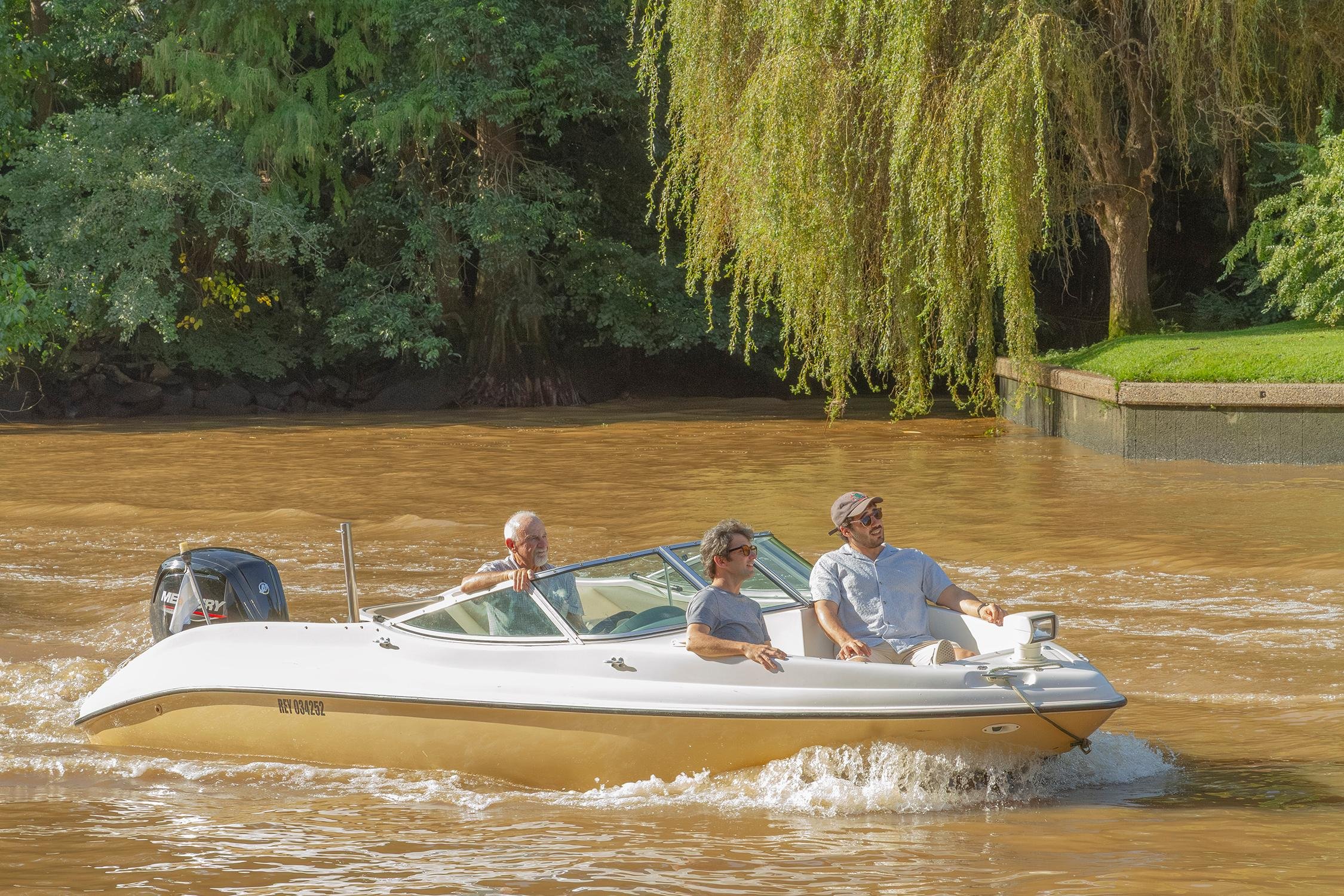
Explore hidden waterways of the Tigre Delta on an intimate speedboat journey with a local expert
2 hours
Free Cancellation
Sail from Tigre's delta through the Río de la Plata to downtown Buenos Aires on a scenic two-hour voyage
8 hours
Free Cancellation
Navigate the Paraná Delta's waterways, browse the famous Tigre market, and ride a scenic coastal train
5 hours
Free Cancellation
Cruise Argentina's stunning river delta and explore island life on this comprehensive waterway adventure
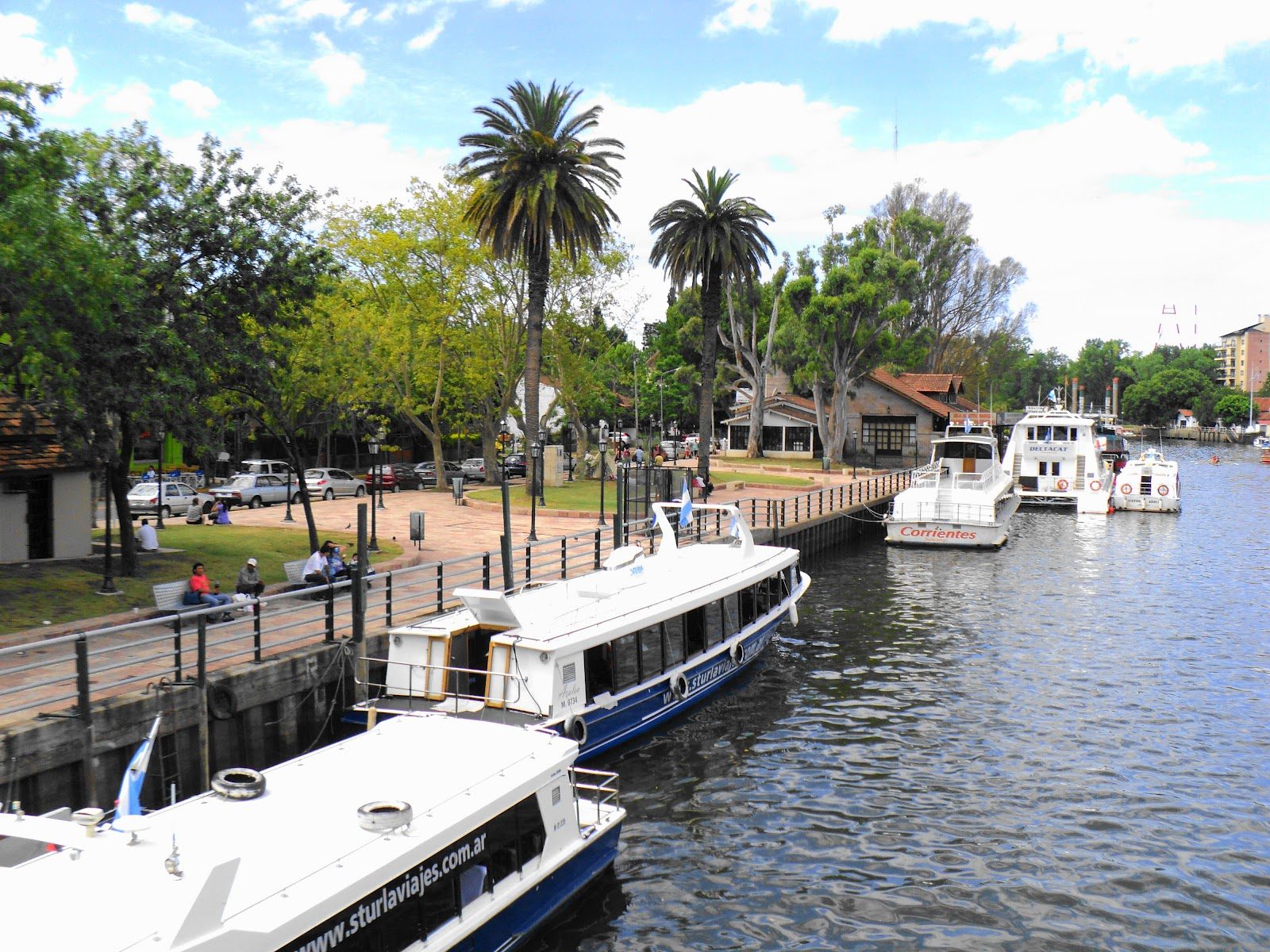
Start any tigre delta tour from buenos aires here, at Mitre 305, checking boat schedules and buying river passage
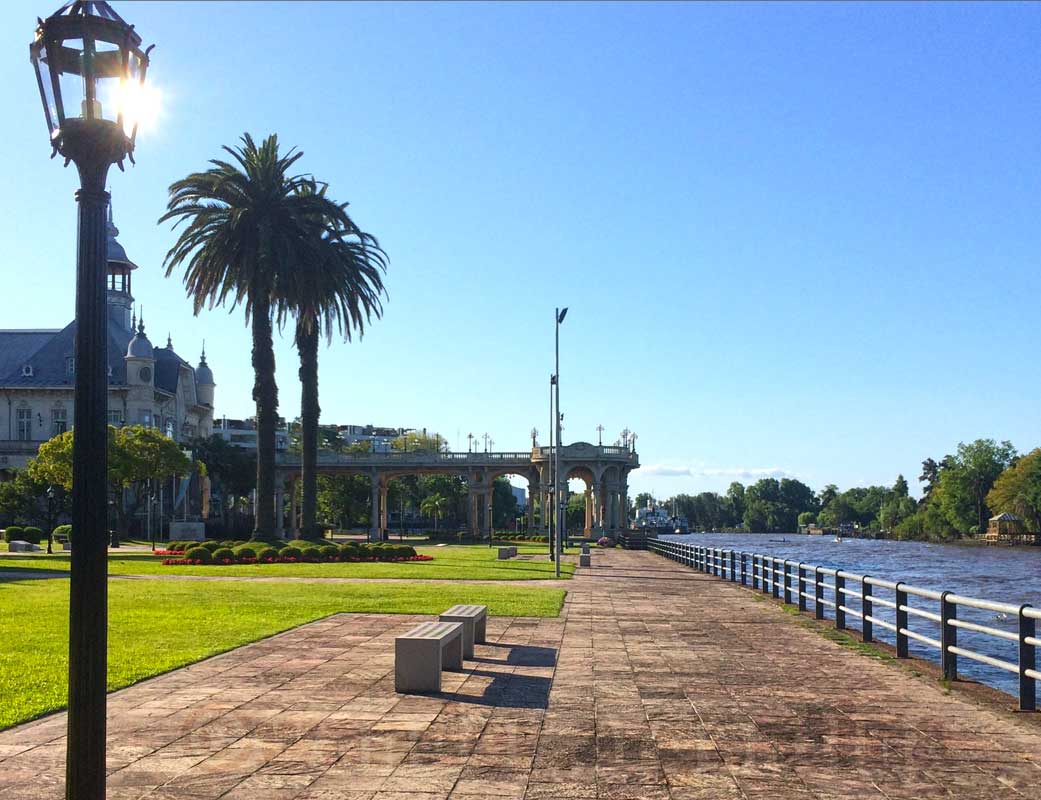
Stroll along the Rio Tigre waterfront past historic rowing clubs before boarding
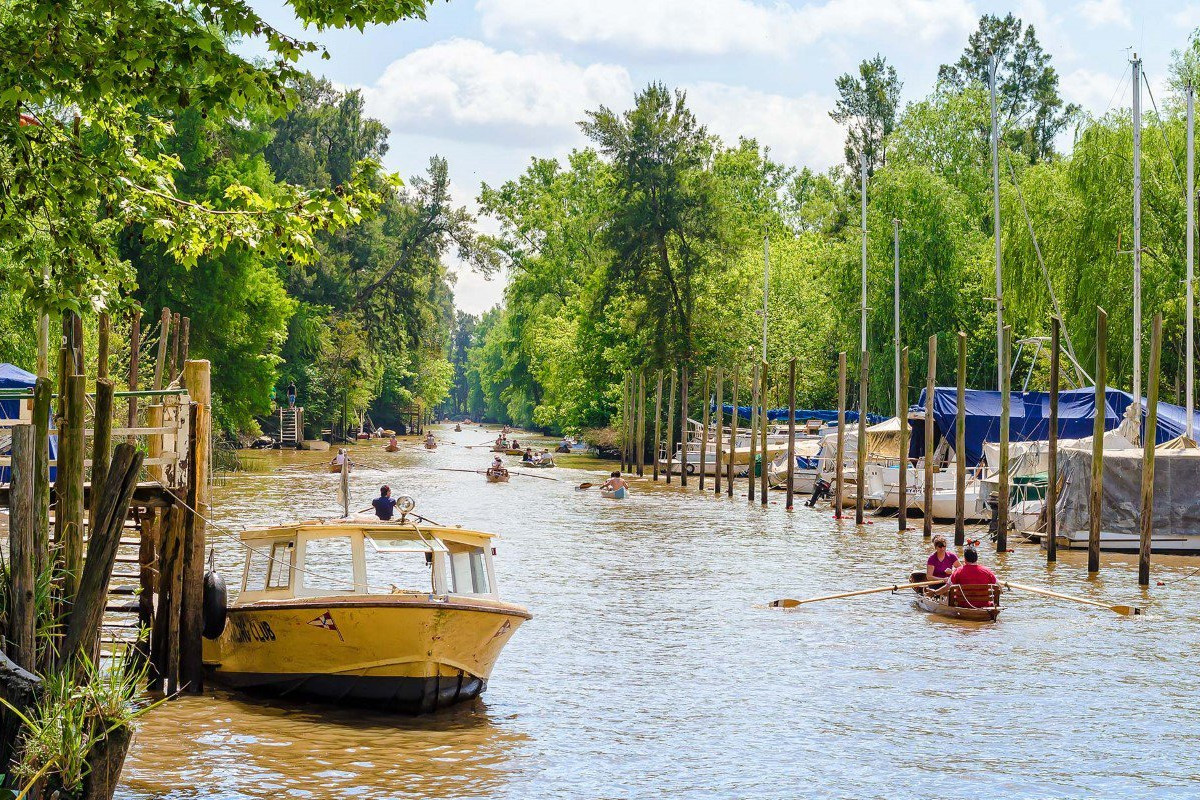
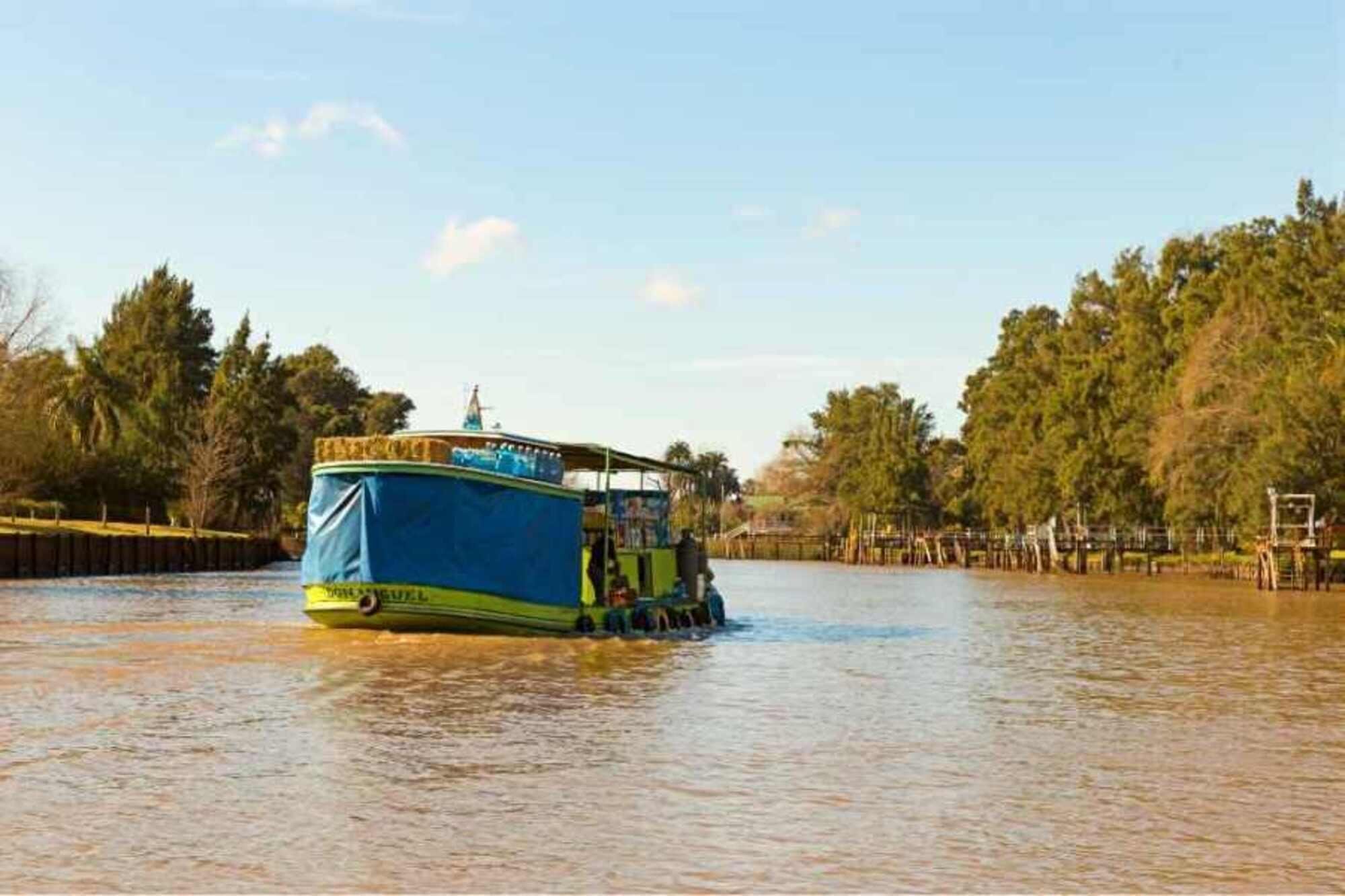
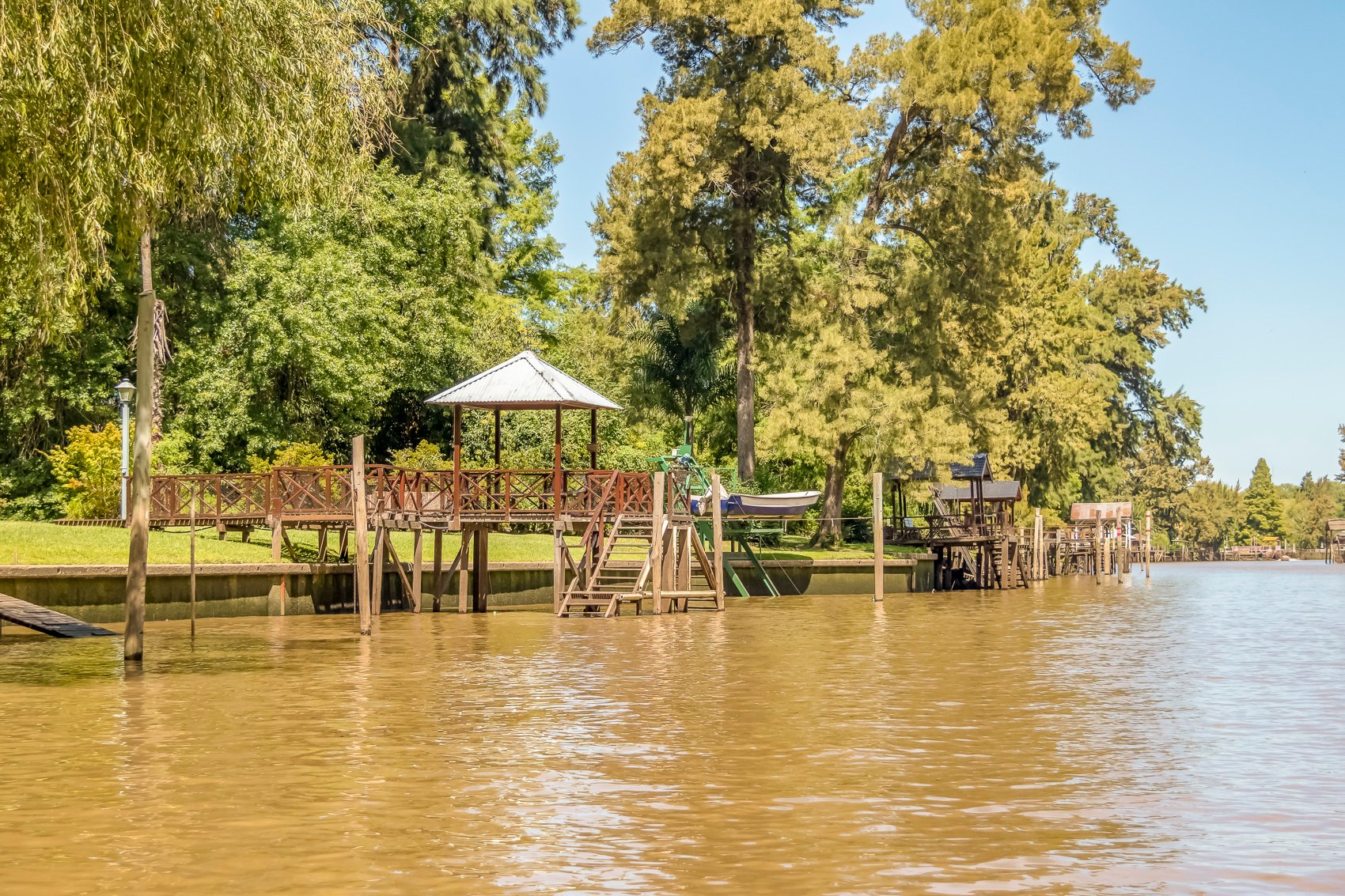
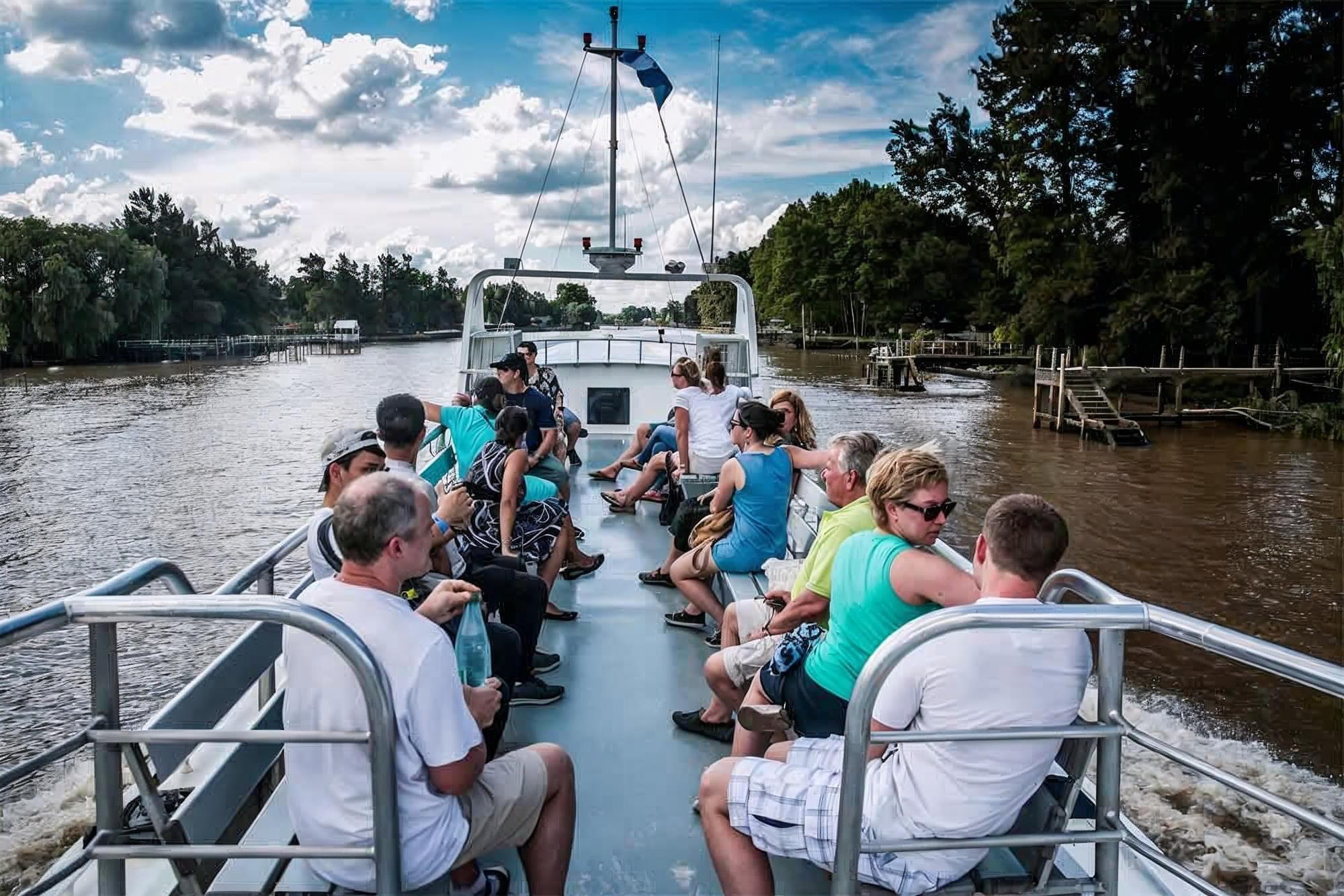
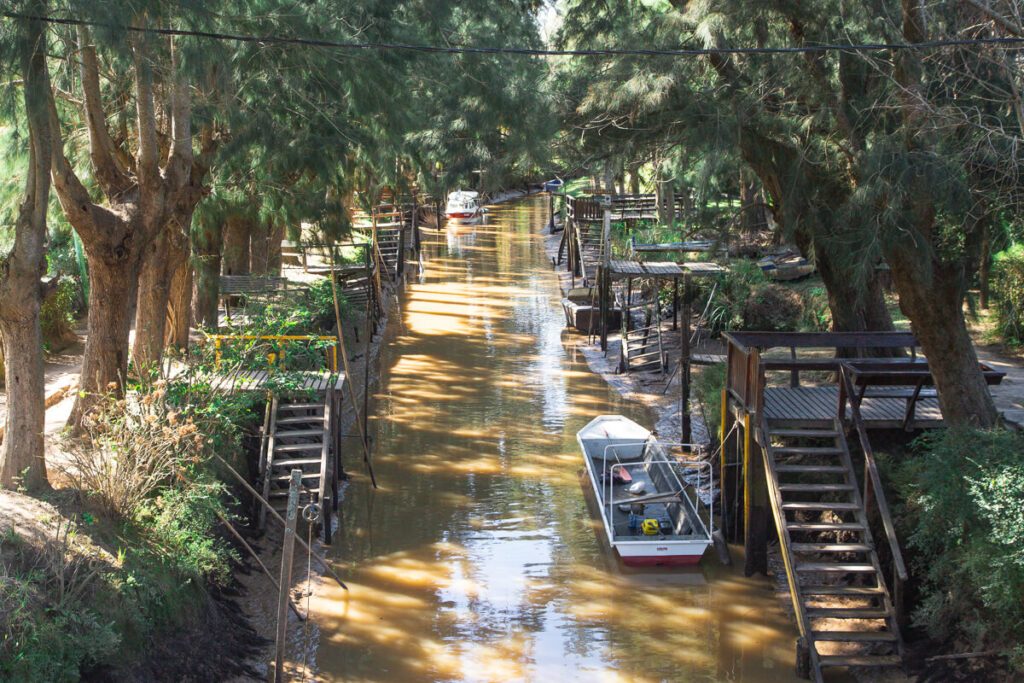
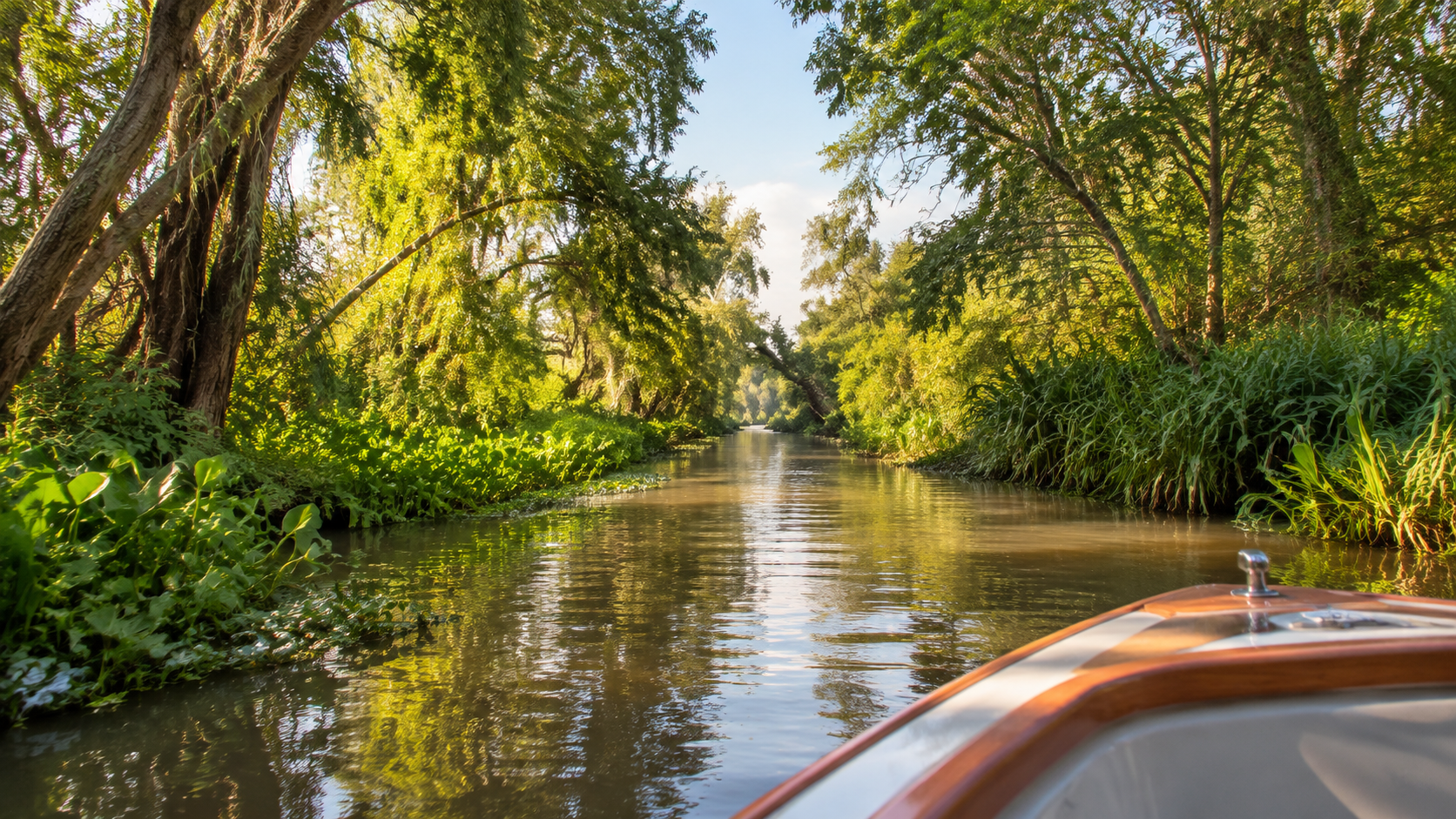
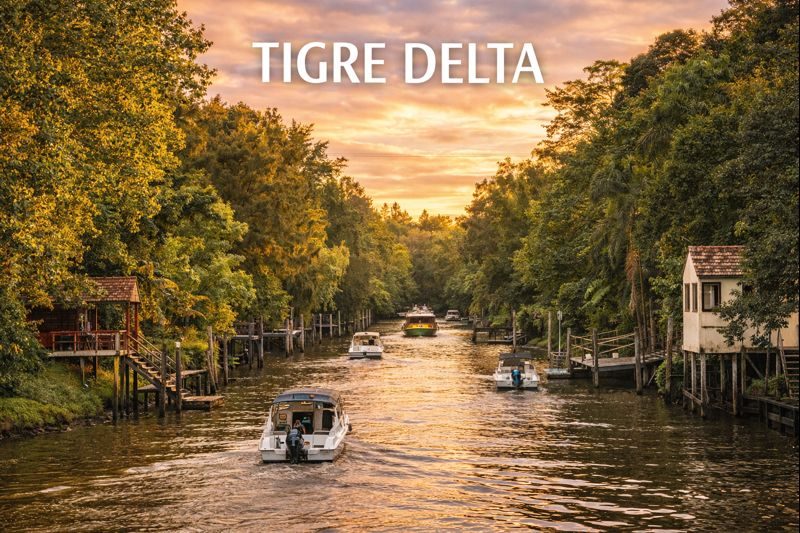
Cruise the narrower canals past wooden stilt houses and dense riverside vegetation
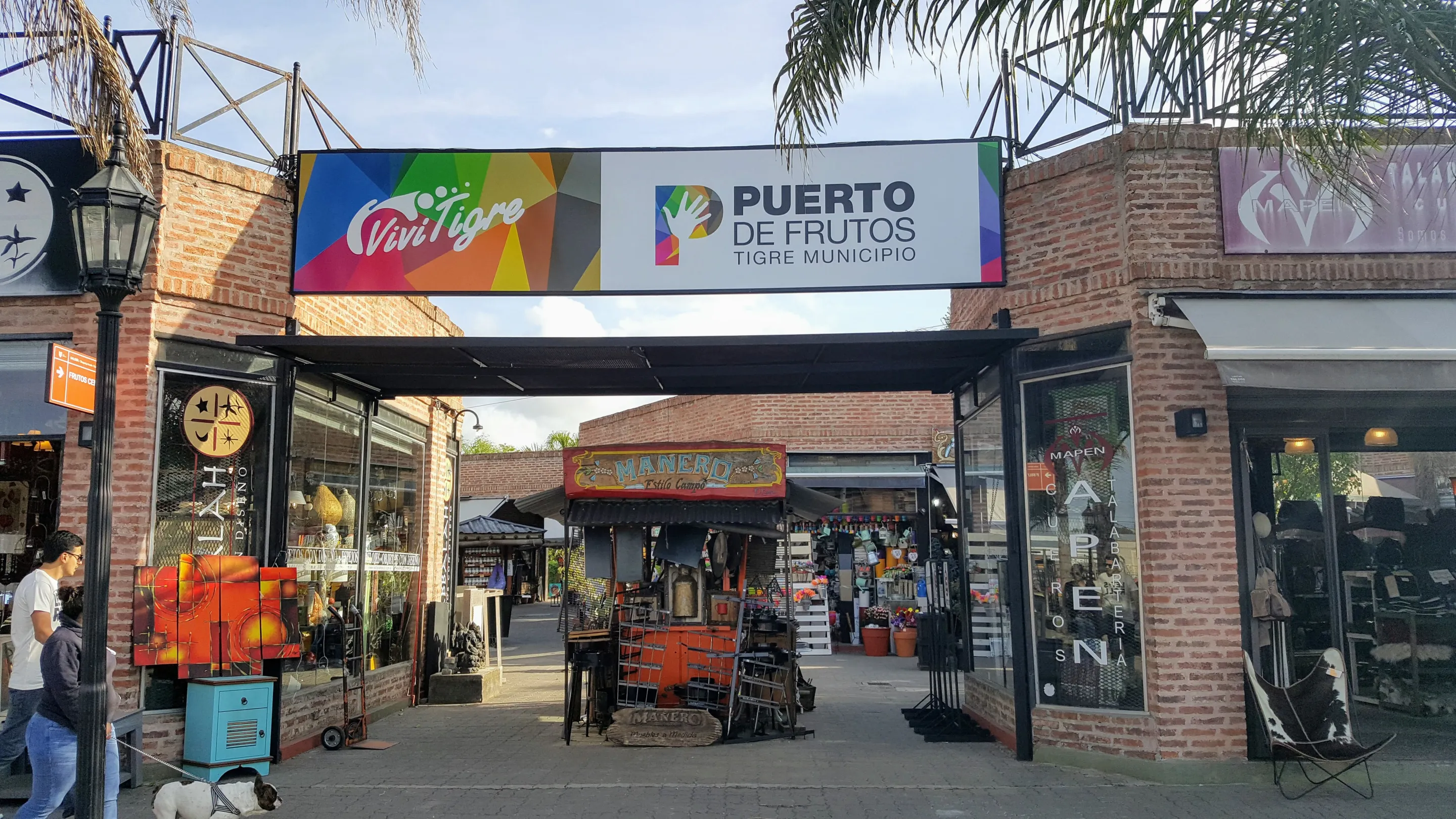
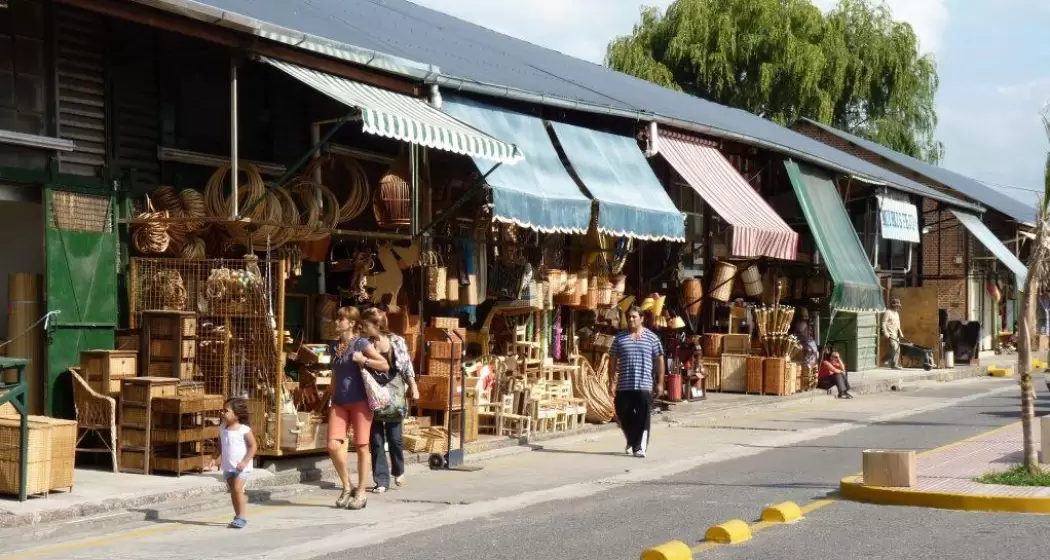
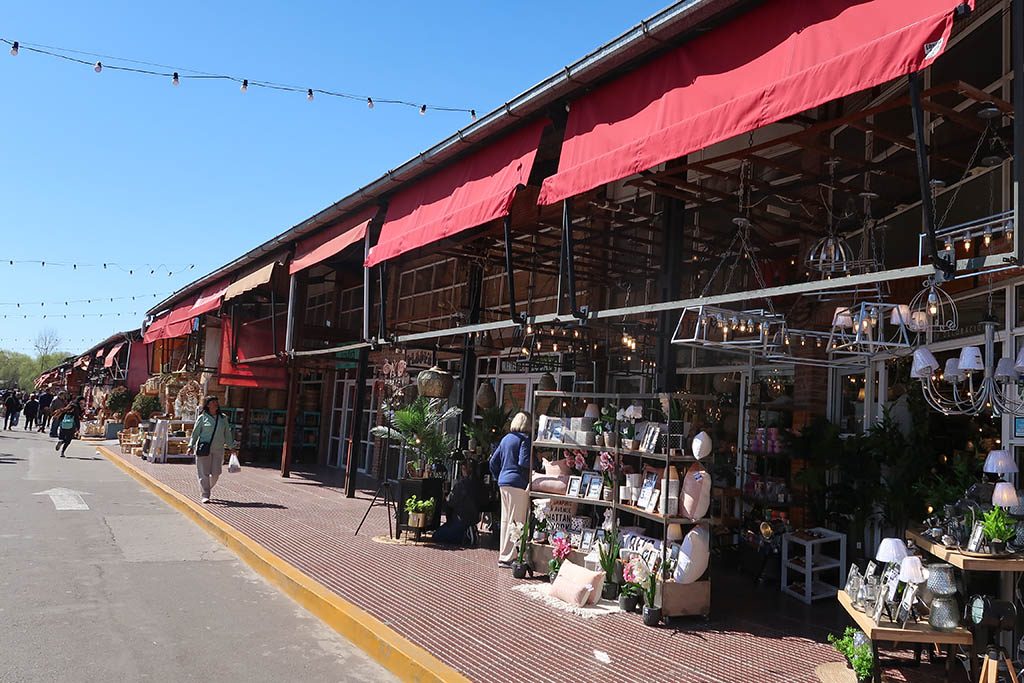
Browse handicrafts, wicker furniture, and food stalls at this riverside market
Head back to the main dock for the return journey to Buenos Aires
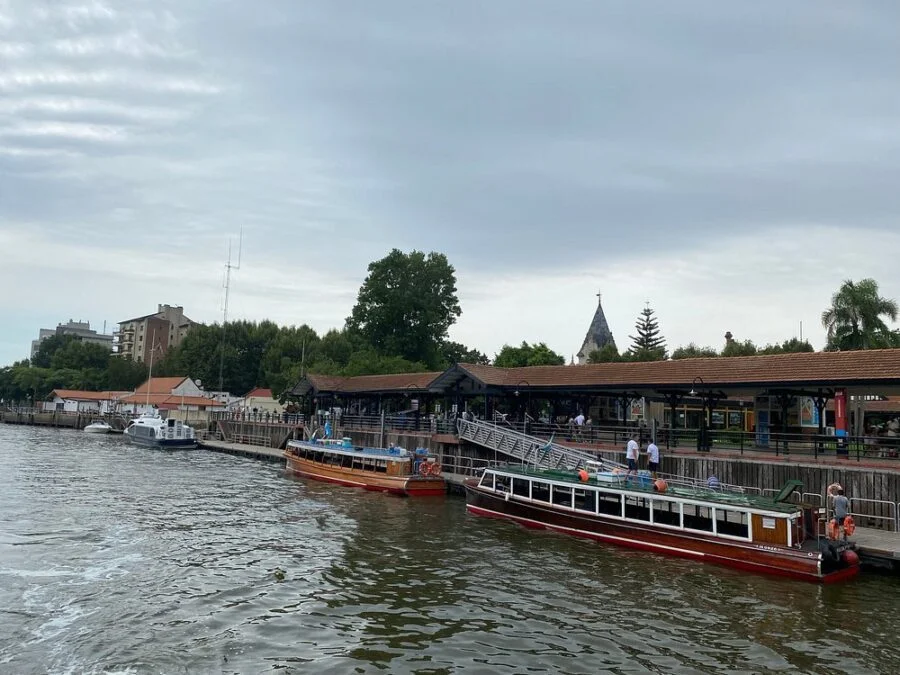
The departure hub at Mitre 305 handles thousands of passengers daily during peak season, funneling travelers onto dozens of competing boat lines into the Delta. Its riverside terminal design dates to Tigre's early 20th-century boom as a weekend resort town for Buenos Aires society.
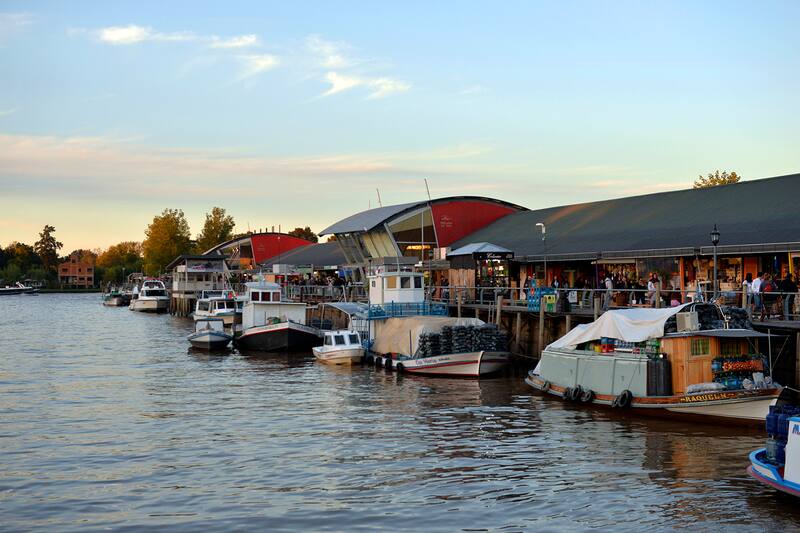
Originally a fruit and produce port, this market now houses hundreds of stalls selling wicker furniture, leather goods, and local crafts along the Rio Lujan waterfront. The riverside sheds retain their early 1900s warehouse structure despite the shift from produce trading to tourism.
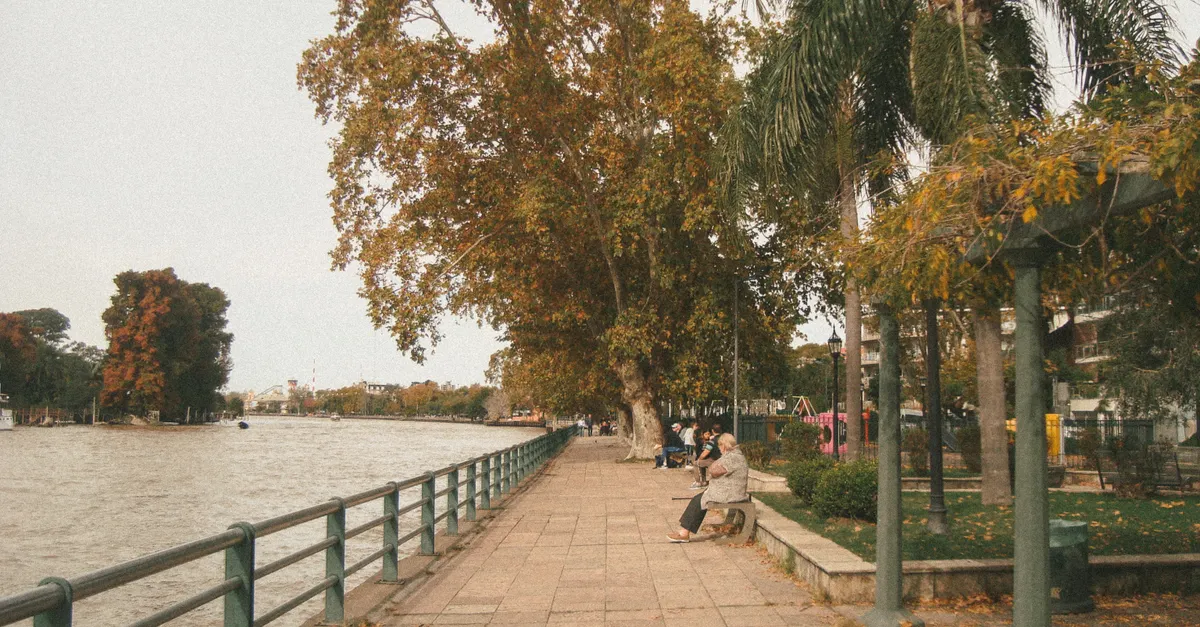
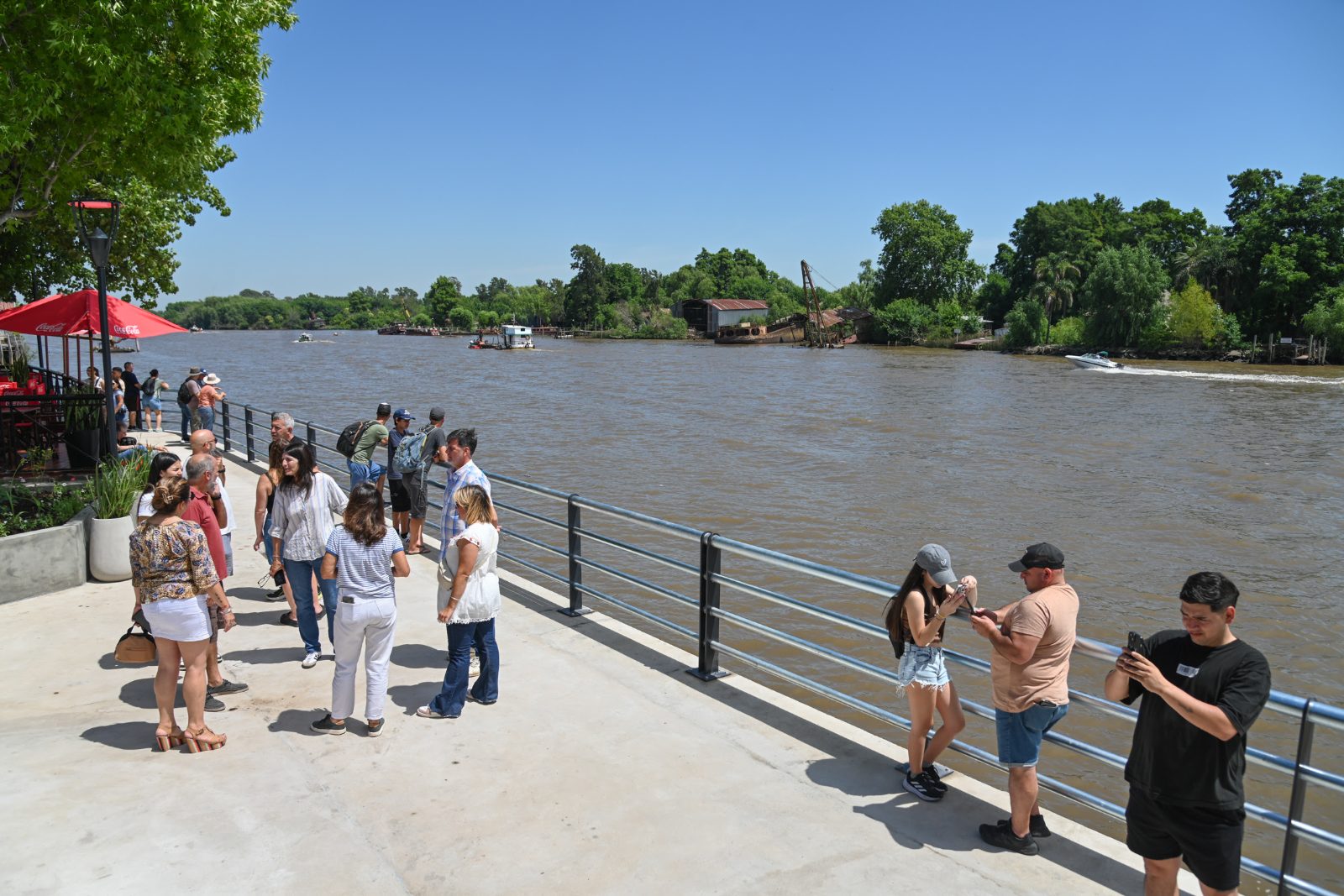
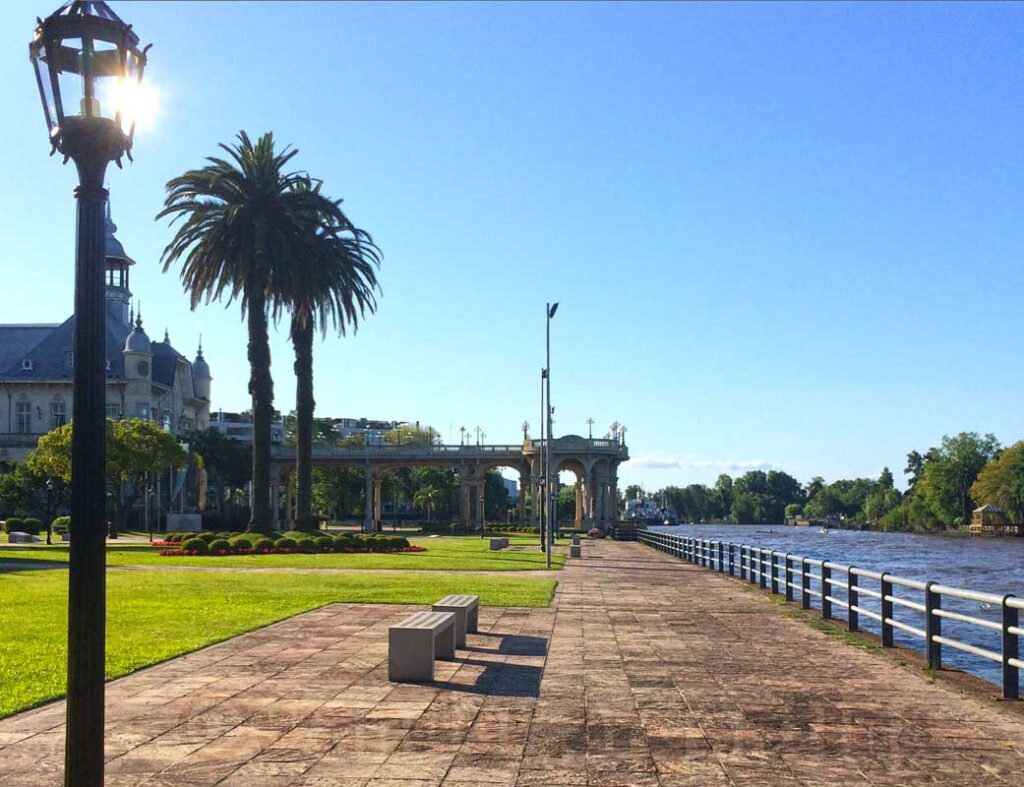
This tree-lined riverside walk connects the train station to the boat terminal, passing several historic rowing clubs founded by British and Argentine social clubs over a century ago. The promenade offers unobstructed views of passenger boats navigating the main channel.
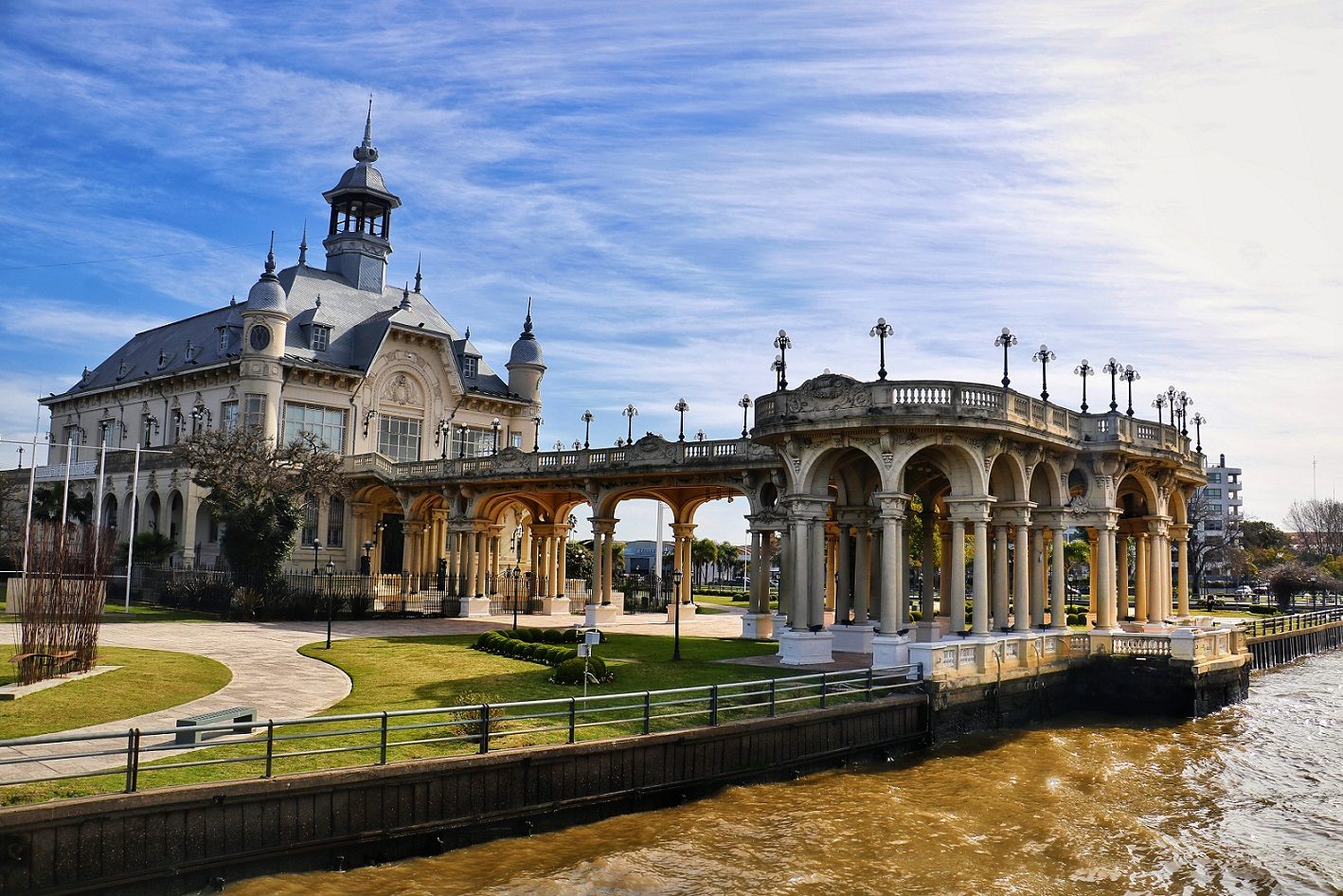
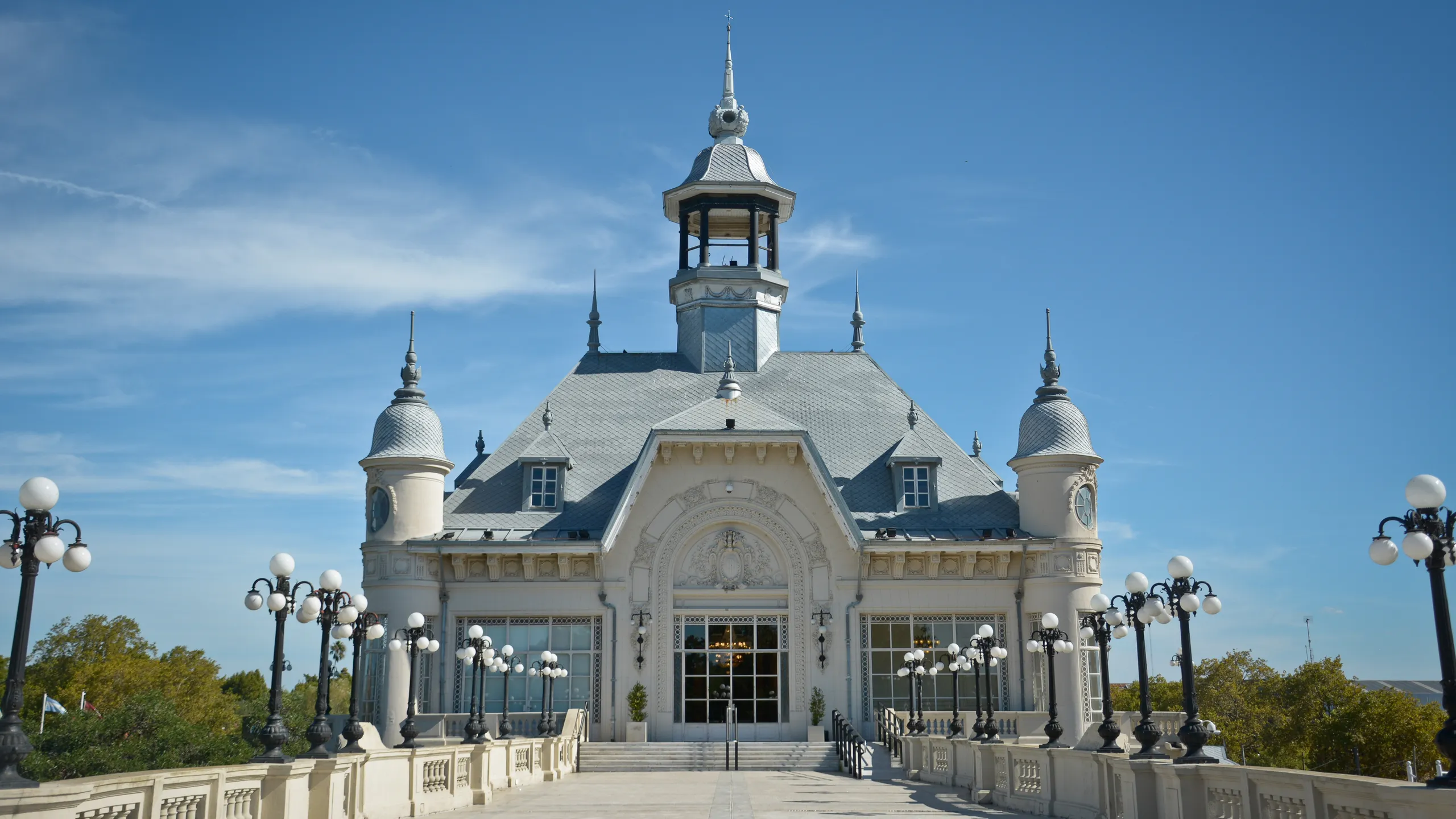
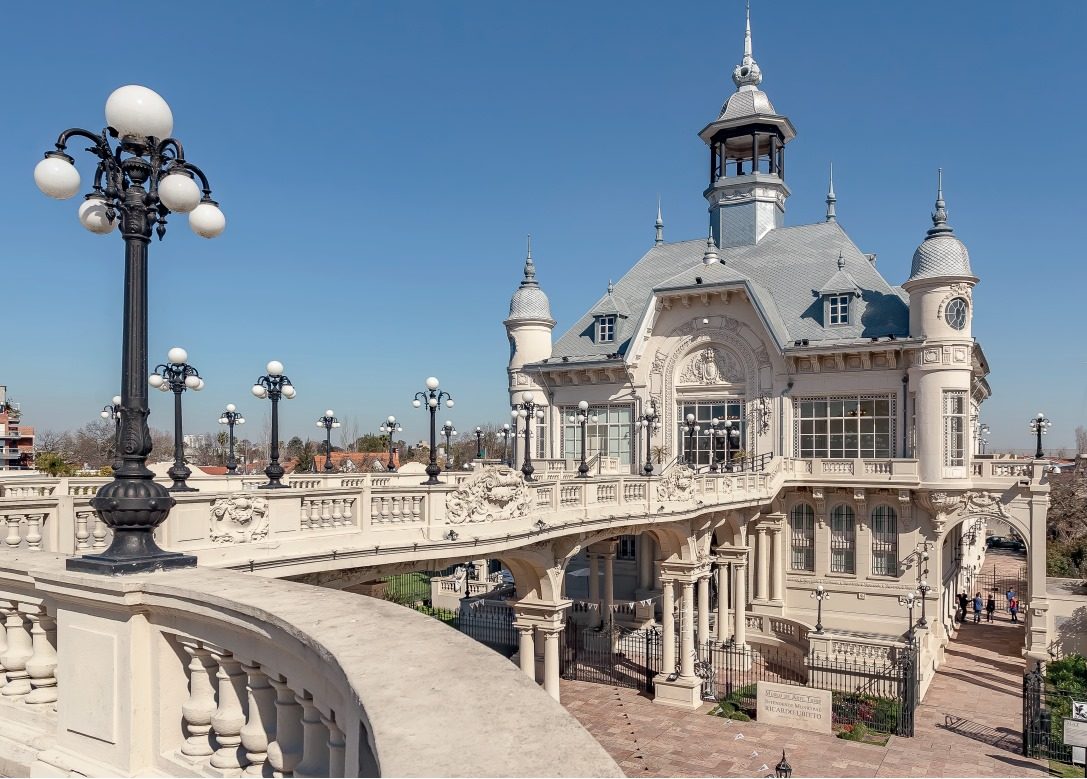
Housed in a restored 1912 building that once served as an elite social club, this museum features ornate French Beaux-Arts architecture with painted ceilings and a grand marble staircase. It now displays 19th and 20th-century Argentine fine art across several period rooms.
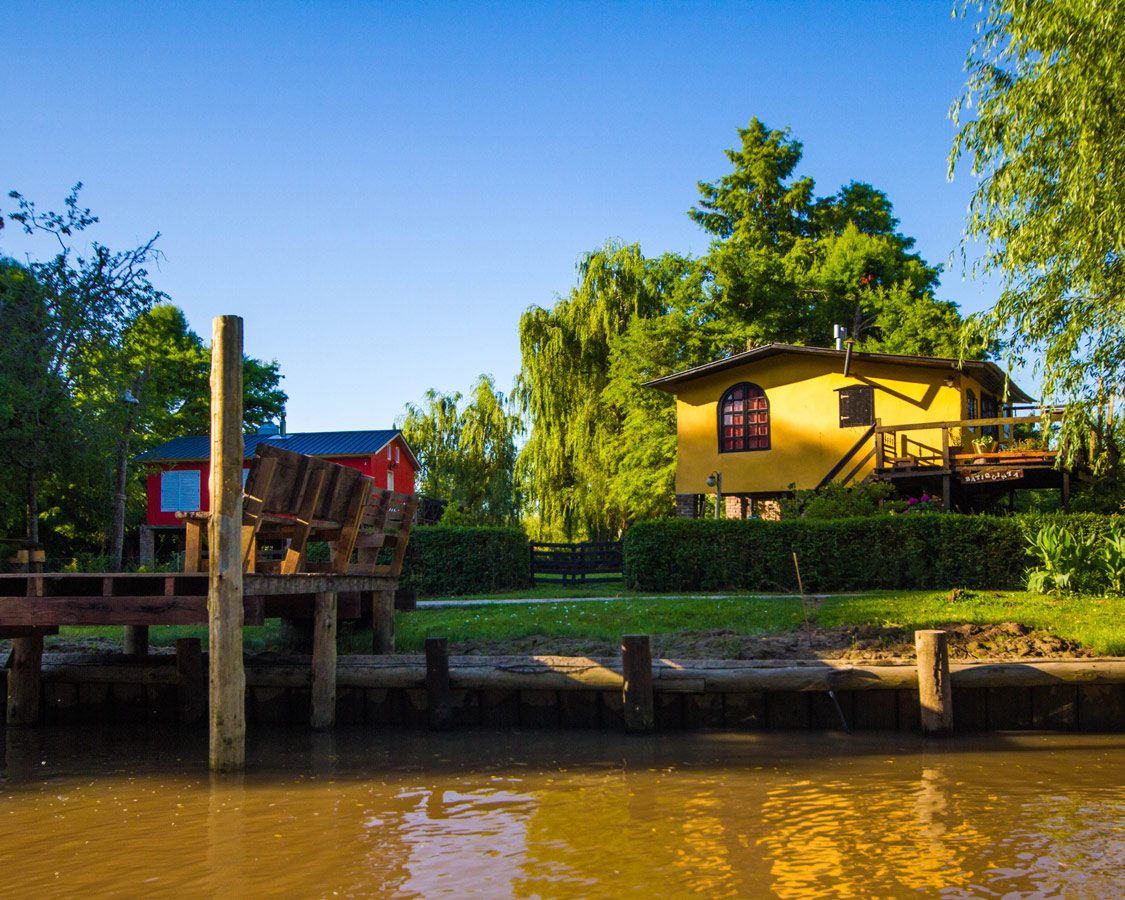
Wooden stilt houses line the narrower interior waterways of the Delta, many accessible only by boat and reflecting a distinct river-based lifestyle unique to this Argentine ecosystem. Some structures date back generations and rely entirely on boat delivery for daily supplies.
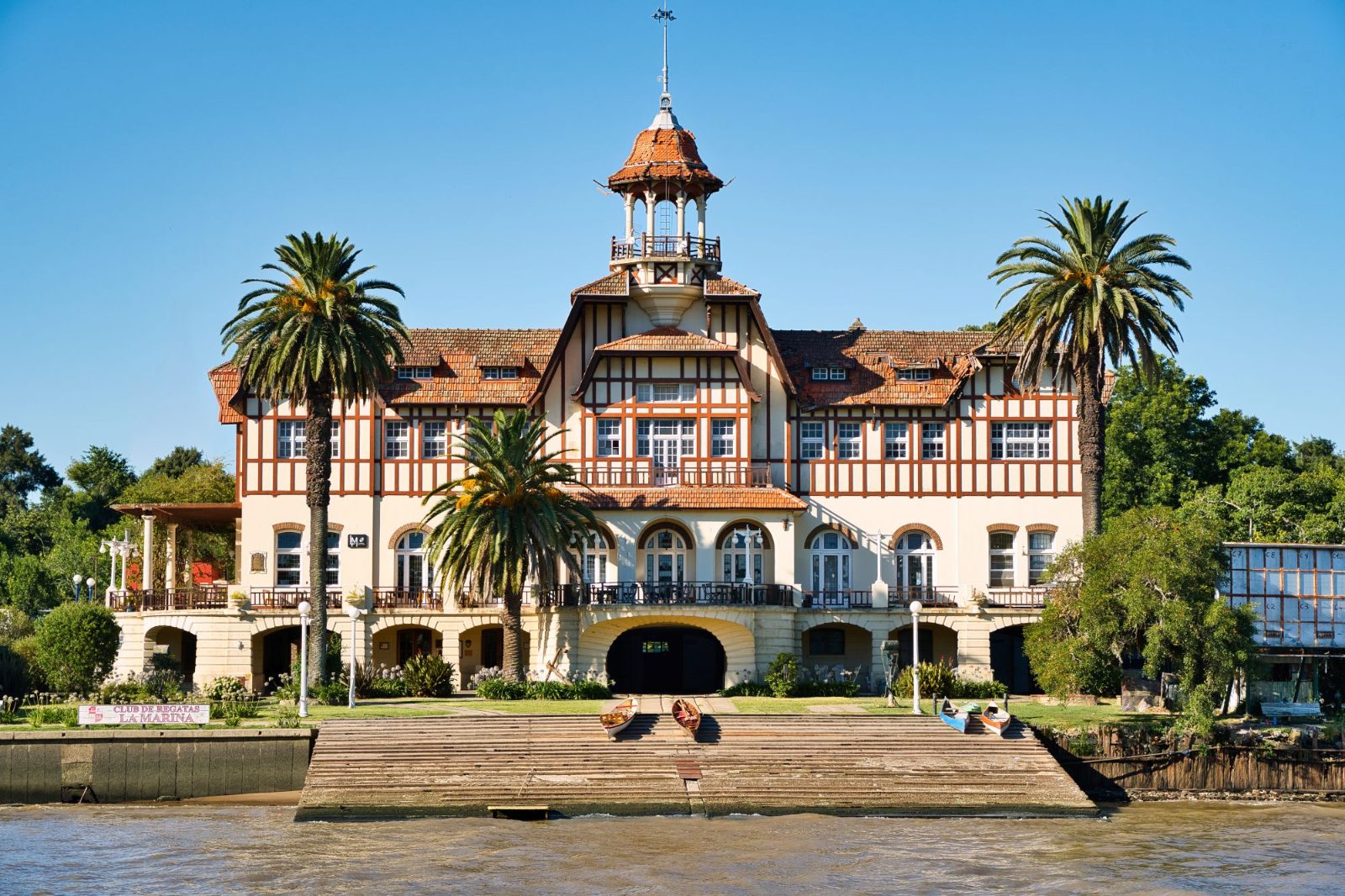
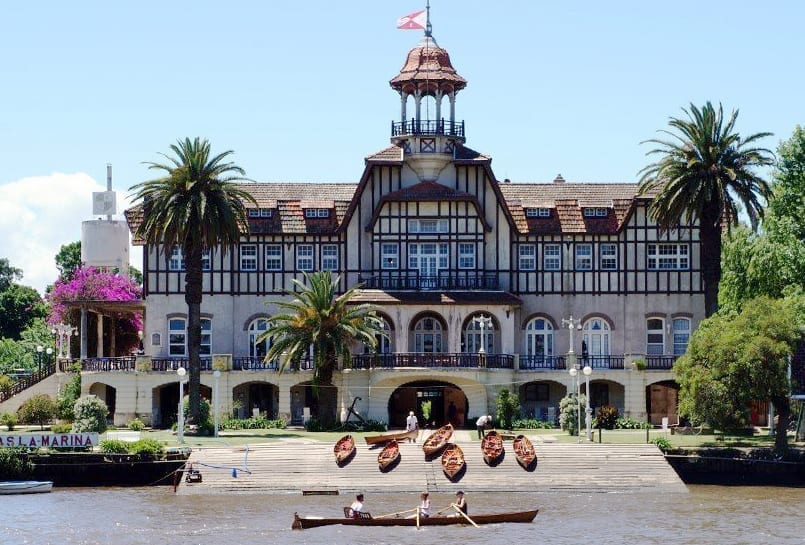
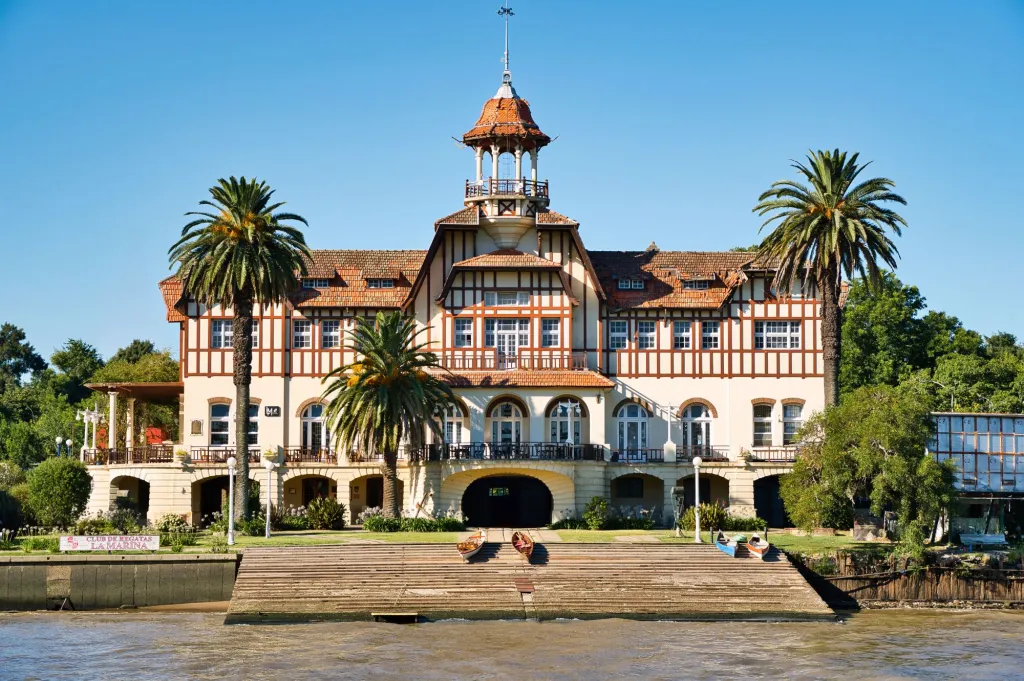
This early 1900s rowing clubhouse reflects Tigre's history as a boating and regatta destination for Buenos Aires' upper class. Its riverside boathouse architecture remains a working club today for competitive rowers.
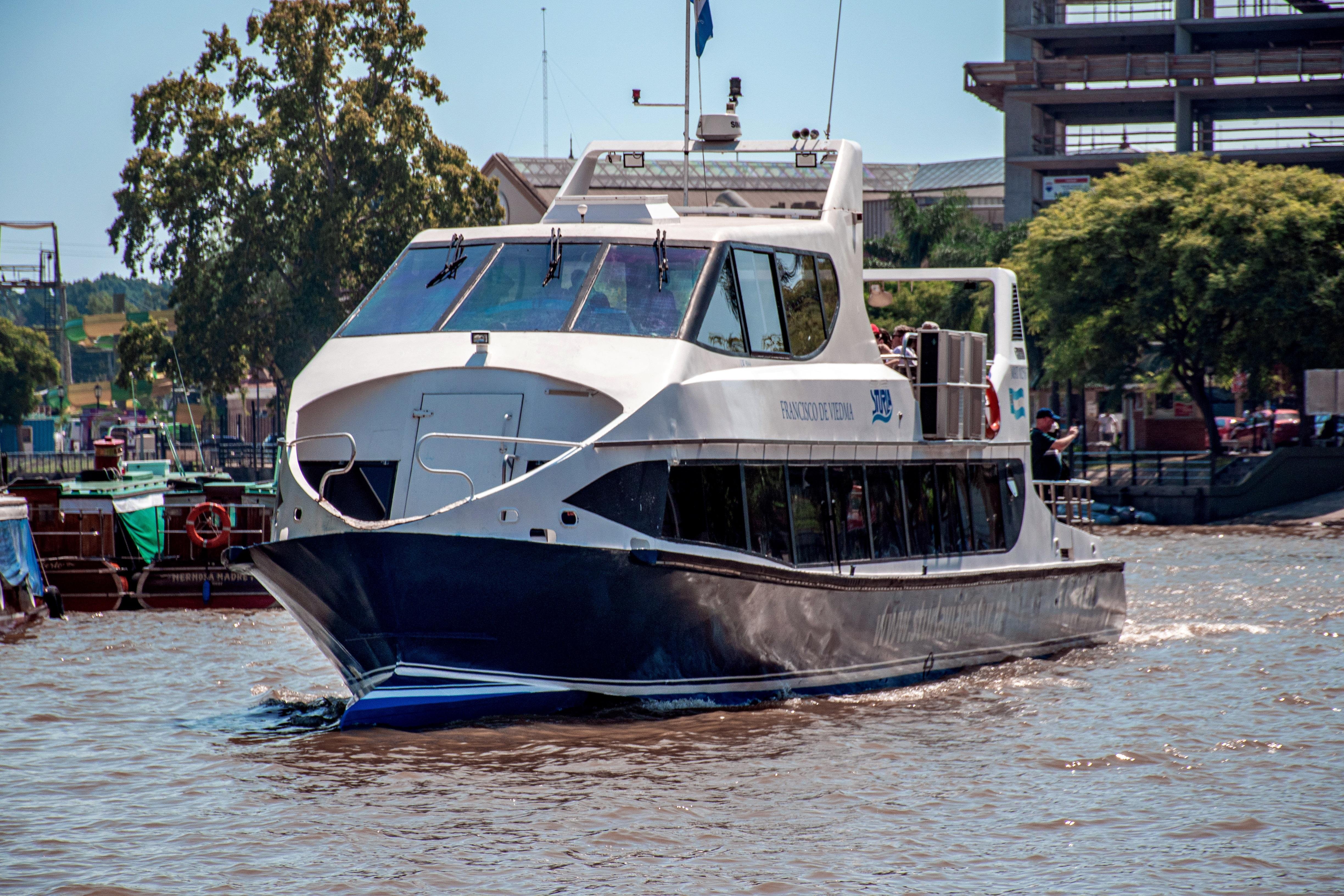
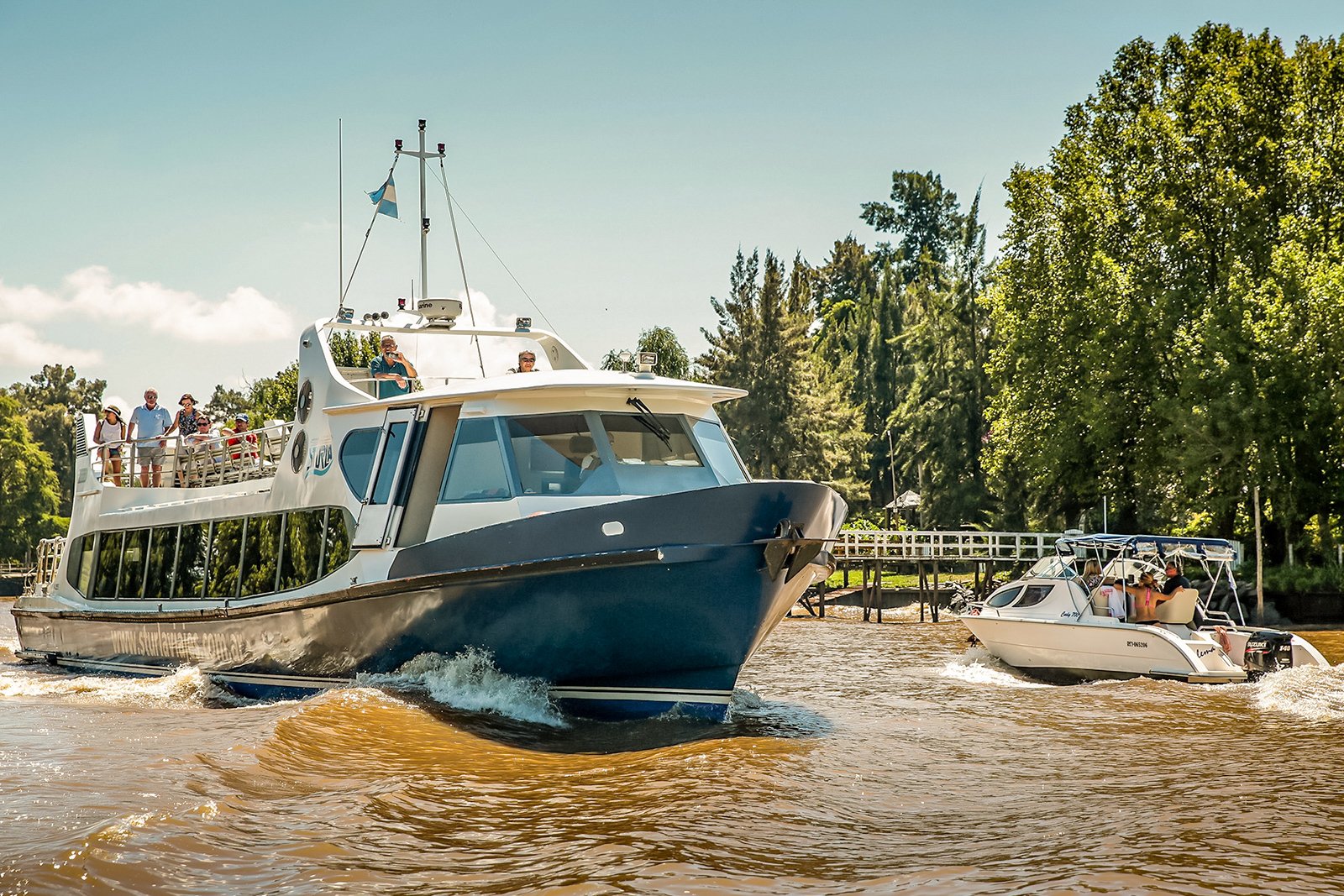
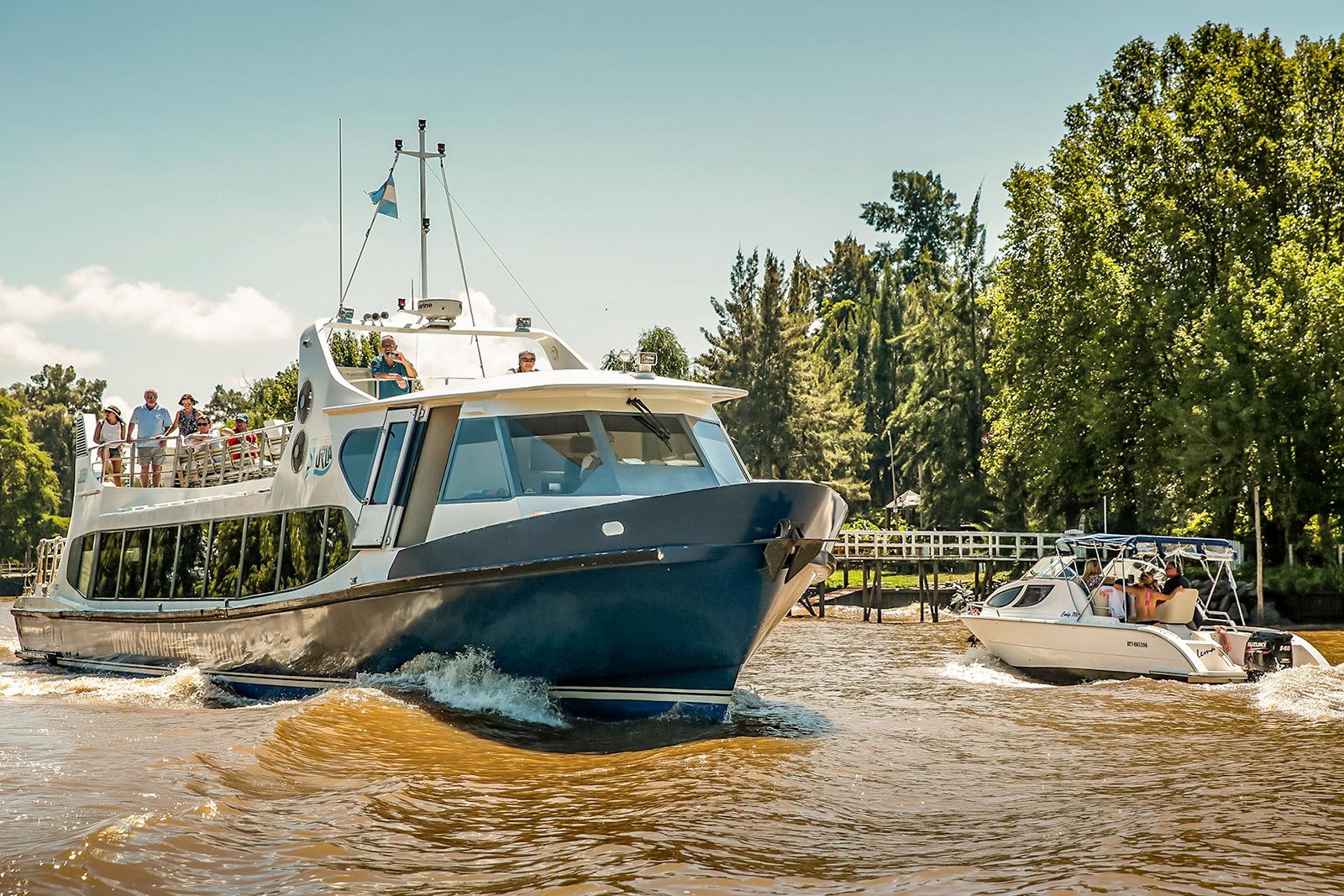
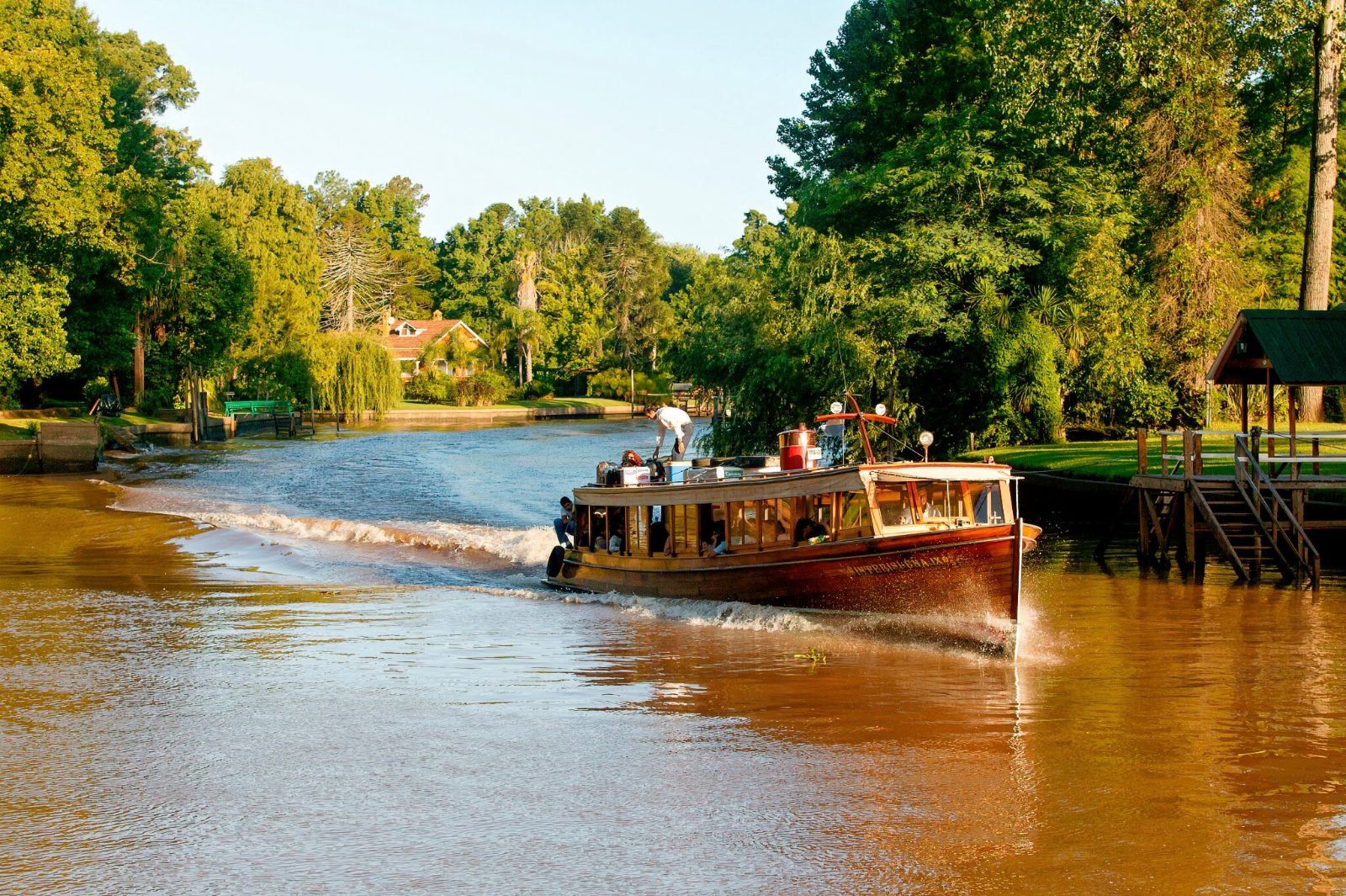
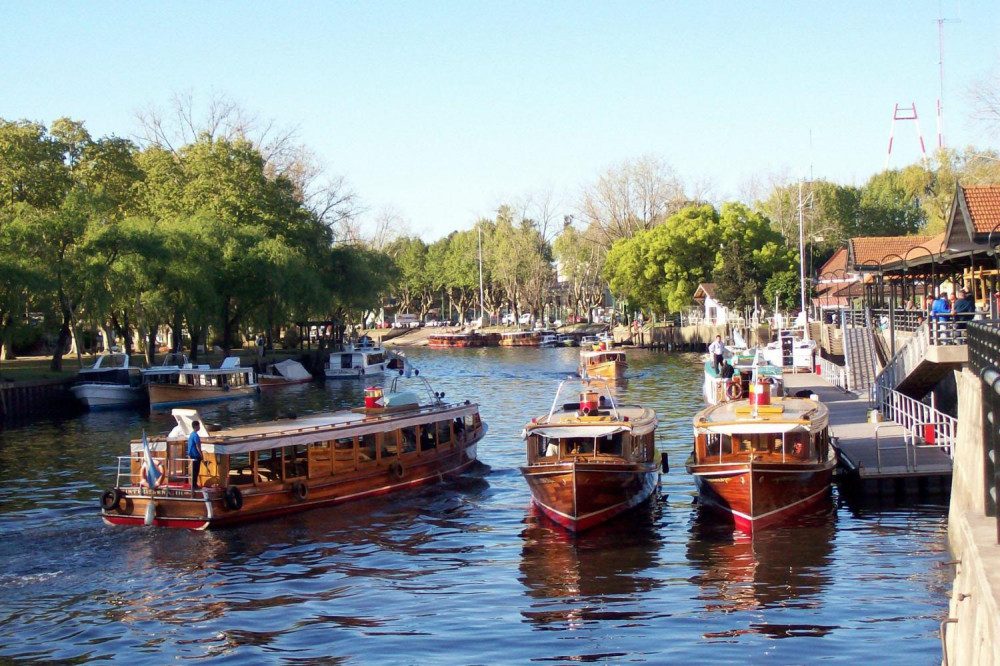
You board at Estación Fluvial after the one-hour train from Retiro, stepping onto a timber catamaran with bench seating for forty. The engine hums, the dock recedes, and within three minutes the Luján River opens into a lattice of smaller streams where stilt houses tilt over the current.
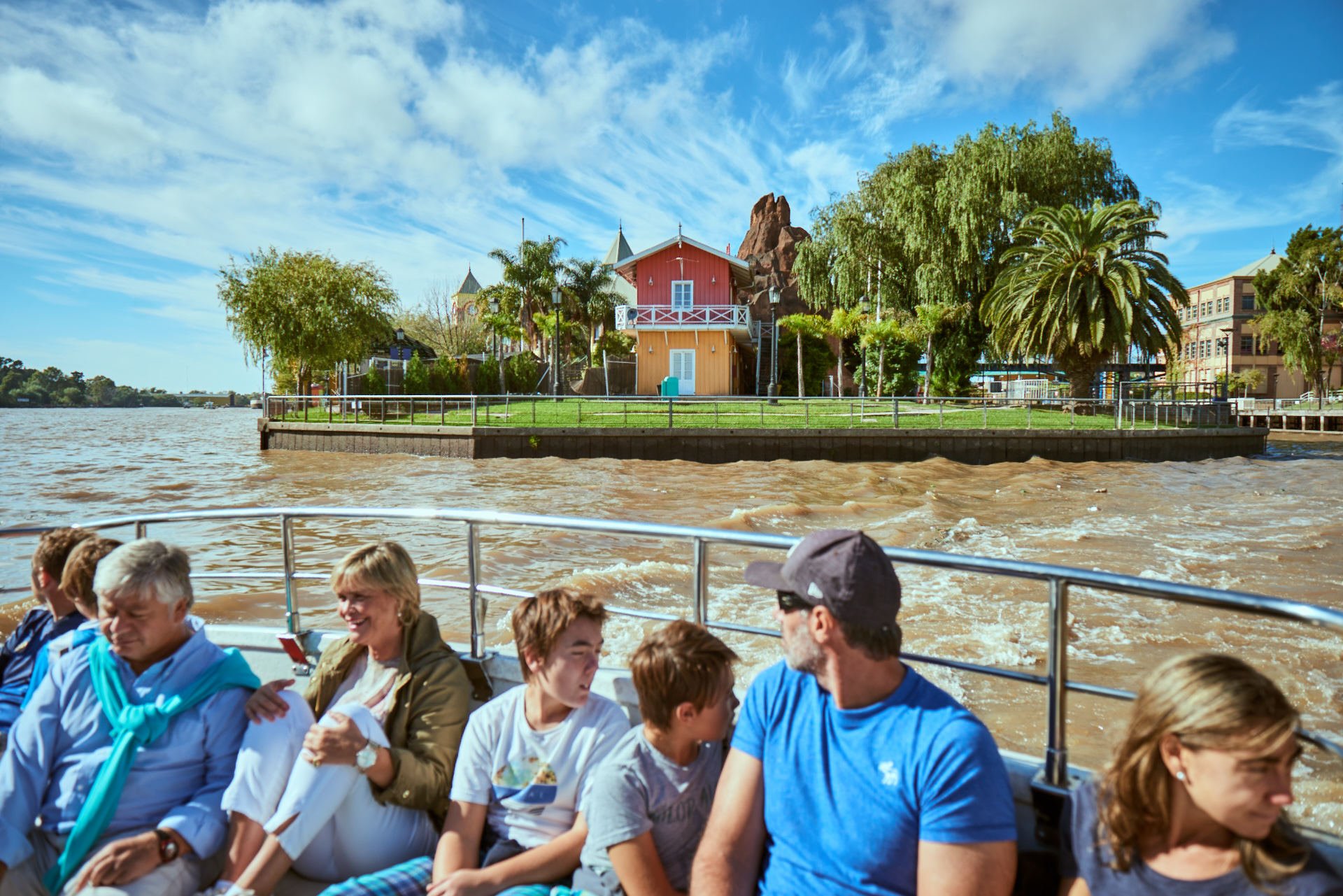
Your guide names each channel—Sarmiento, Capitán, Angostura—as the boat threads between islands draped in ceibo and willow. A kayaker waves from a narrow inlet; a capybara surfaces near a moss-covered dock.
Twenty minutes in, the boat slows beside a Victorian rowing club painted coral, its second-story balcony hung with Argentine and Italian flags. You pass a floating grocery barge, then a cluster of weekend villas with hammocks strung between columns. The five-river circuit completes after ninety minutes, depositing you back at the terminal where Puerto de Frutos sprawls two blocks inland—400 stalls selling wicker, leather, and honey from delta apiaries.
You walk the market's tile corridors, pausing at a mate vendor who demonstrates the curing ritual, then cross to the Museo de Arte Tigre. The 1912 casino facade remains intact: Corinthian capitals, stained glass transoms, and parquet floors that creak under your boots. By early afternoon, you're back at the fluvial station, ready for the return train or a late lunch at one of the parrillas lining the waterfront promenade.
All the details about your upcoming adventure in one place
The Paraná River splits into 350 navigable channels thirty kilometres north of Buenos Aires, creating the fifth-largest delta system on Earth. What began as a 19th-century resort for yellow-fever refugees evolved into a labyrinth of stilt houses, rowing clubs, and weekend villas accessible only by boat.
By 1900, the Tigre Casino and Naval Museum anchored a Belle Époque enclave that rivalled Mar del Plata, drawing porteño families who traveled the new Mitre railway line to escape summer heat.
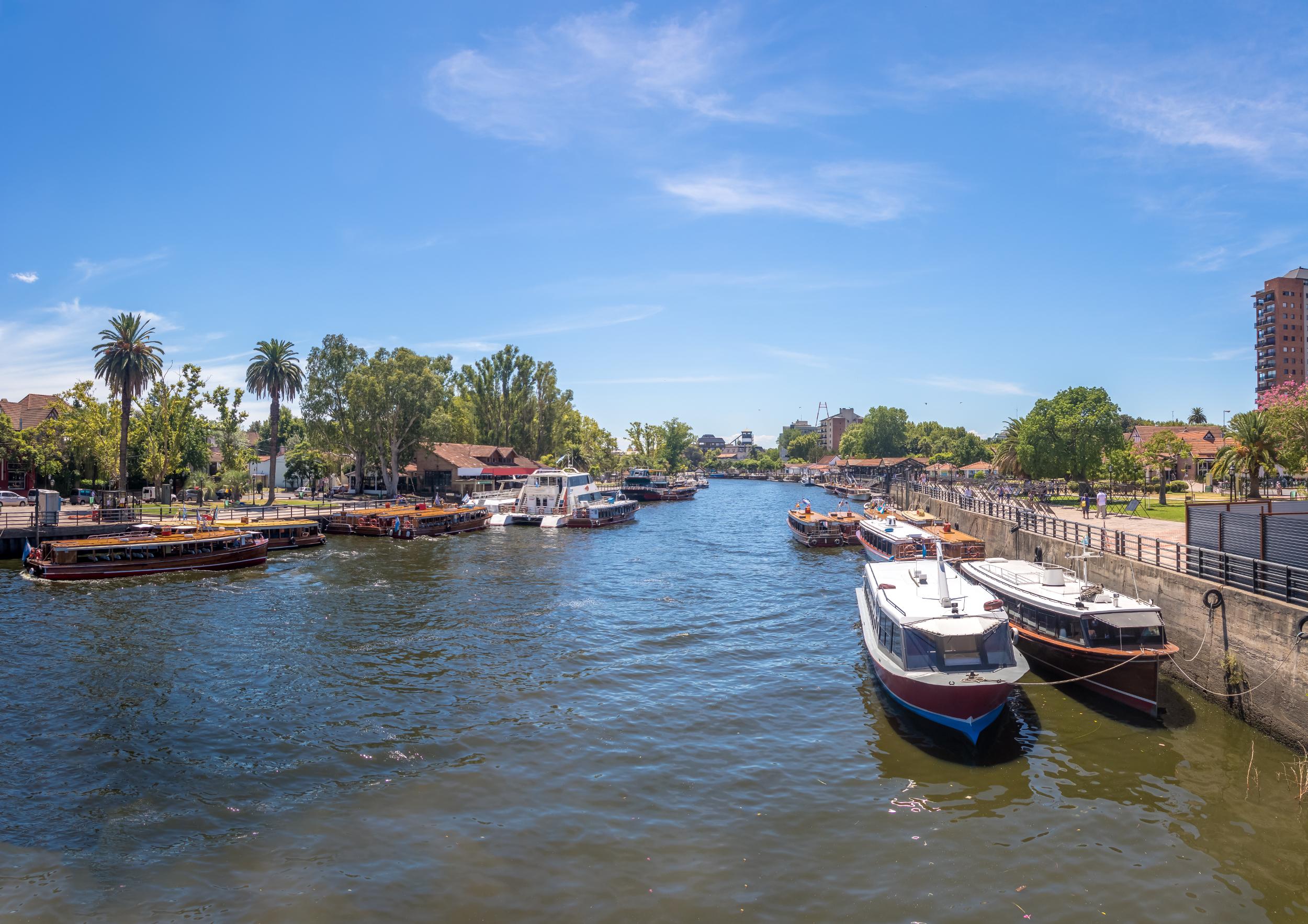
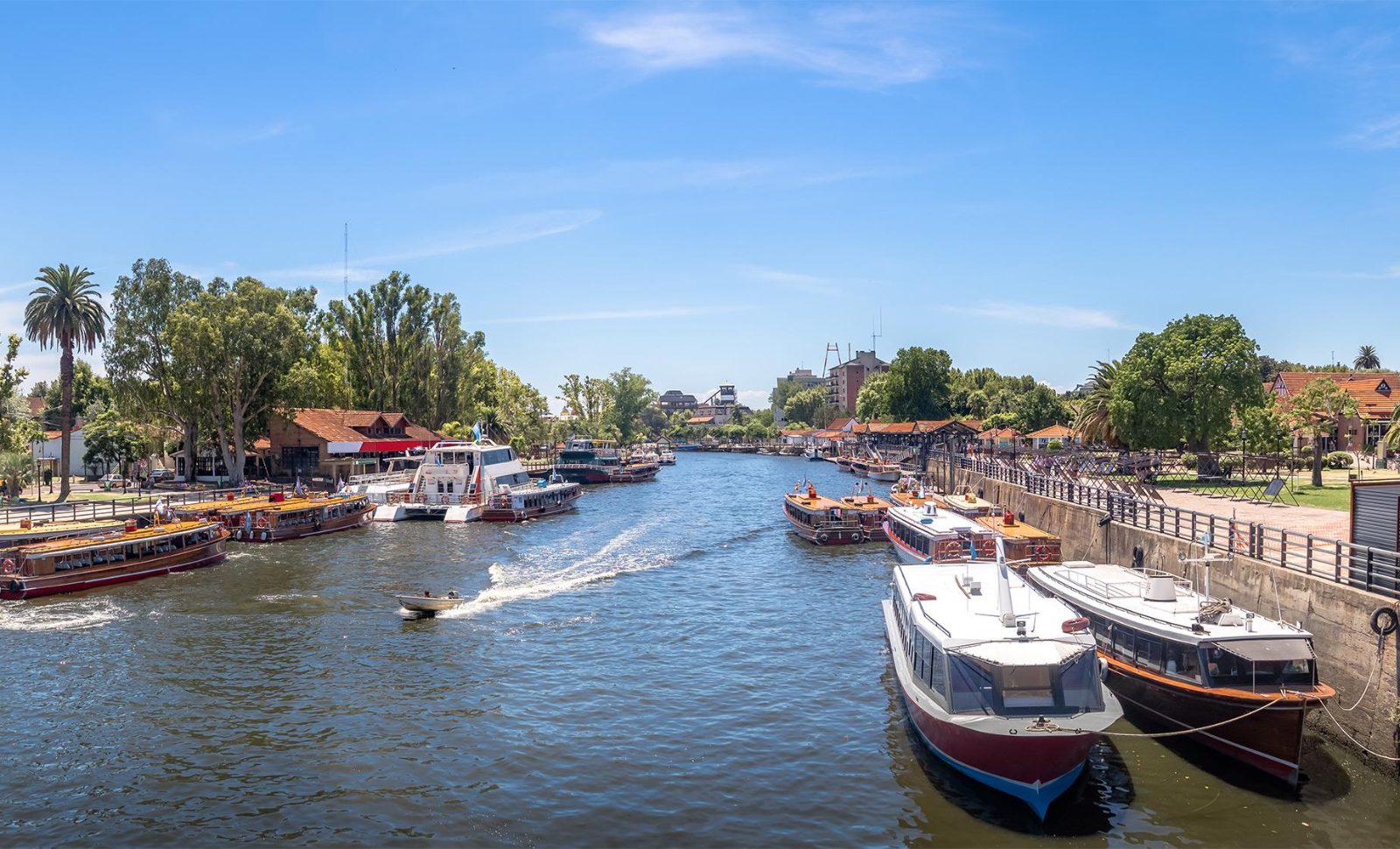
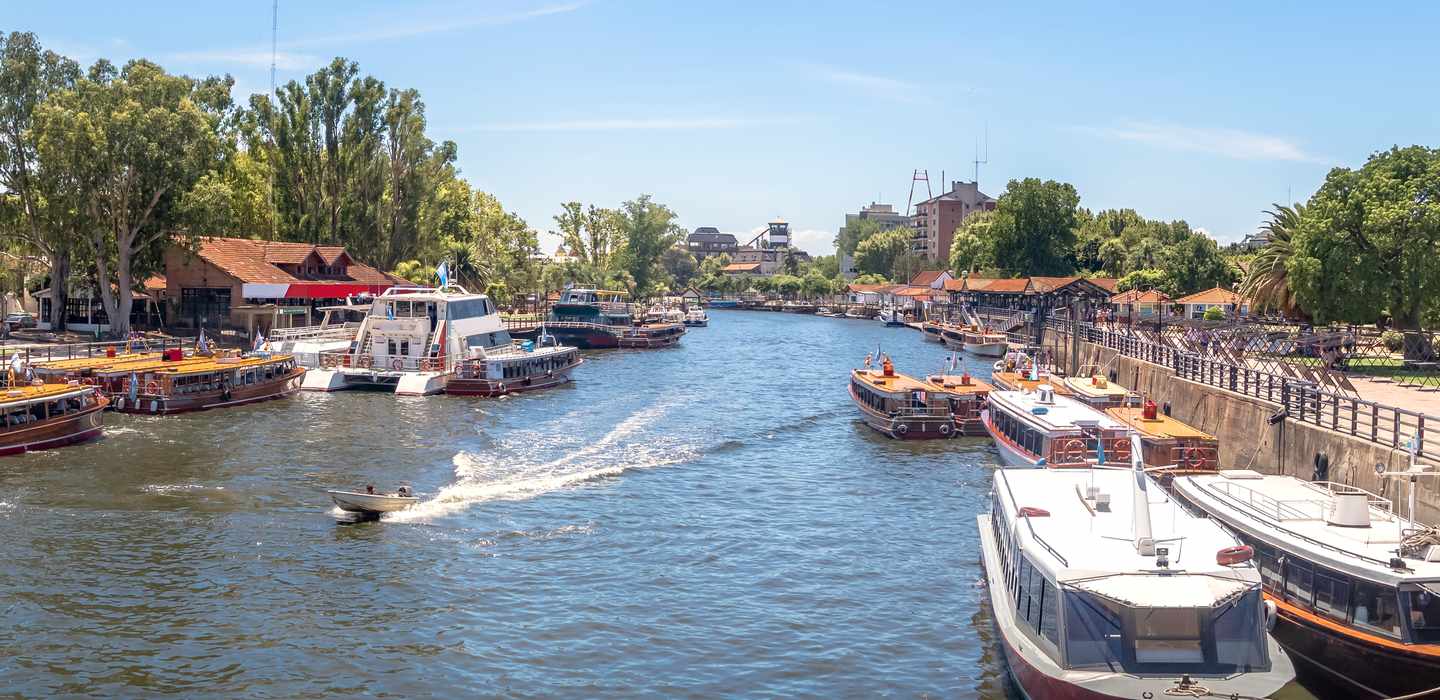
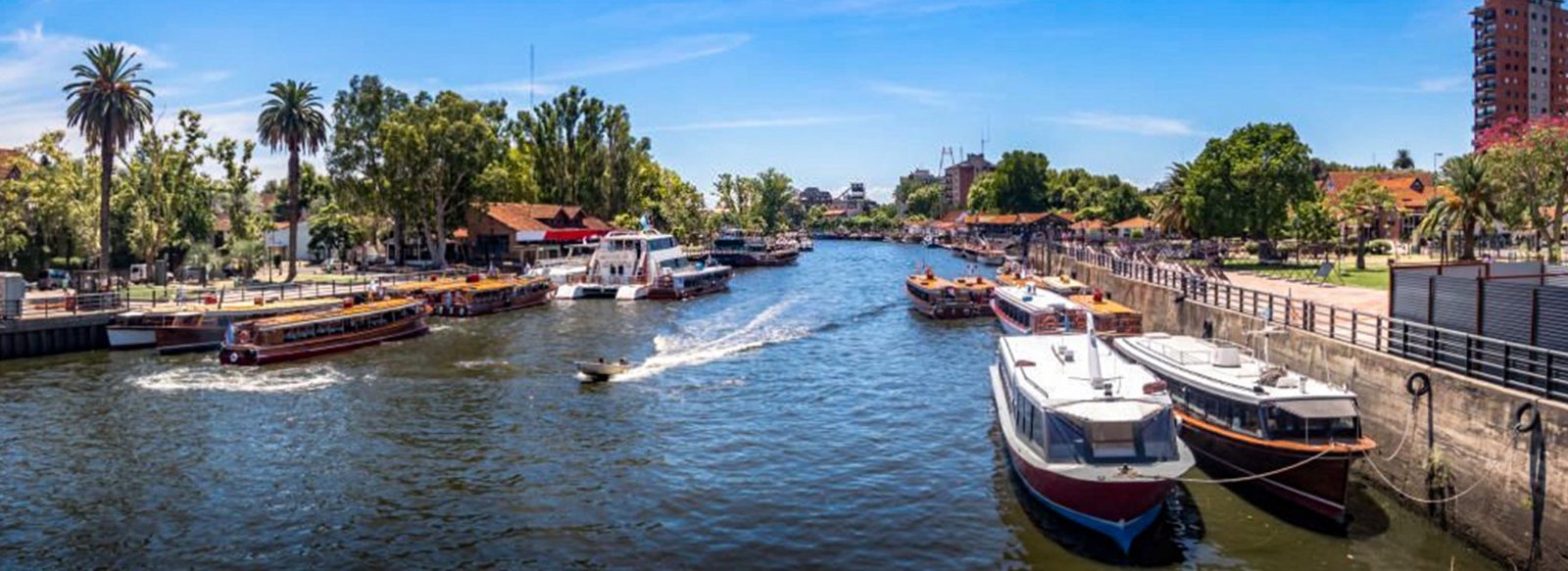
Today, the tigre delta tour from buenos aires departs from Estación Fluvial Internacional, a 1930s terminal on the Luján River where timber catamarans and narrow lanchas colectivas queue for passengers. The delta's 220 square kilometres hold no roads—residents flag down water taxis, school launches collect children from wooden docks, and floating greengrocers sell produce door-to-door. Ceibo trees with crimson flowers frame Victorian boathouses painted ochre and mint; the occasional kayaker threads between islands where capybaras graze at dusk. Sarmiento Stream, Capitán Stream, and San Antonio River form the classic five-river loop, each current revealing a different architectural era.
Puerto de Frutos, a converted fruit market on the Tigre waterfront, now houses 400 artisan stalls selling wicker furniture, mate gourds, and alfajores. The Museo de Arte Tigre occupies the former casino, its Corinthian columns and stained glass intact since 1912. Boat excursions range from thirty-minute panoramic rides to three-hour circuits that include stops at the Sarmiento House Museum, where Argentina's seventh president wrote *Facundo* during exile. Most tigre delta tour from buenos aires tours bundle rail transport from Retiro or hotel pickup with a ninety-minute river cruise, creating a half-day logistics package for visitors without Argentine mobile data or peso cash for the collective launch.
The delta expands two metres annually as sediment accumulates, a pace surveyors track through satellite imaging and century-old nautical charts housed at the Museo Naval. Weekend regattas launched by Club Canottieri Italiani and Club de Regatas La Marina preserve traditions from immigrant rowing societies founded in the 1880s. The jungle canopy—willow, alder, and ligustrum—thickens in austral summer, when water levels rise and private docks submerge, leaving only the red navigation buoys visible above the current.
The Paraná River splits into 350 navigable channels thirty kilometres north of Buenos Aires, creating the fifth-largest delta system on Earth.
Casual, comfortable clothing works best given the humid subtropical climate and time spent on open-air boat decks. Wear flat, non-slip shoes for boarding wooden piers and boats at Estación Fluvial Internacional Tigre, and bring a light jacket for river breezes even in warmer months.
Bags are not X-rayed for general entry to the town, but boat operators at the Estación Fluvial do visual checks before boarding. Keep valuables in a zipped daypack since boats can rock slightly at the wooden docks along Mitre 305.
Photography is unrestricted throughout the Delta's public docks, riverside walkways, and the Estación Fluvial building. Drone use over the waterways requires separate authorization from Argentine aviation authorities and is not permitted casually from the piers.
Children are welcome throughout the Delta and along the riverwalk, with life jackets provided on organized boat rides. Stroller-friendly paths connect the station to Puerto de Frutos.
The Estación Fluvial Internacional Tigre and the town's main walkways are flat and paved, suitable for wheelchairs and strollers. Not all independent boat operators have step-free boarding, so travelers with mobility needs should confirm ramp access when choosing a specific launch.
Outside food and non-alcoholic drinks may be carried onto most public passenger boats, though glass containers are generally discouraged for safety. Eating is permitted in open common areas of the Estación Fluvial but not inside enclosed boat cabins on some operator lines.
Town and waterfront open all day
Quietest weekday for a tigre delta tour from buenos aires
Boat schedules start filling up
Heaviest crowds, especially midday
Families fill the Puerto de Frutos market
Best arrival window
09:00–12:00, avoids weekend crowds and leaves time for boat excursions before sunset
Address
Estación Fluvial Internacional Tigre, Mitre 305, Tigre, Buenos Aires Province, Argentina
Entry cost
Free entry to the town and Delta region; boat tours carry additional costs
Hours
Open 24 hours, every day of the week (town and riverside areas)
Official info
vivitigre.gob.ar/en/home
Public transport · About 1 hour from Retiro · Low-cost commuter fare in ARS
Take the Mitre commuter train line from Retiro station in Buenos Aires directly to Tigre station, a short walk from the Estación Fluvial. Alternatively, ride the Tren de la Costa from Maipú station in Olivos for a scenic riverside approach.
Car · 45-60 minutes depending on traffic · Toll road plus parking fee
Drive north from Buenos Aires via the Panamericana highway (RN9), taking the Tigre exit and following signs to the Estación Fluvial. Paid parking lots are available near Mitre 305 and around Puerto de Frutos.
Taxi · 45-60 minutes · Higher than train fare
A taxi or rideshare from downtown Buenos Aires runs directly to the Estación Fluvial, useful for travelers short on time or carrying luggage.
Bike · 2+ hours from the city · Free aside from any bike rental
Cyclists can ride the riverside path from northern Buenos Aires suburbs like Olivos into Tigre, following the coastal cycling routes.
Entry to the town and Delta region itself is free with no booking or cancellation needed. Any paid boat excursion booked separately follows the operator's own refund window, typically full refund up to 24-48 hours before departure.
Recommended time
Half a day
A typical tigre delta tour from buenos aires requires roughly four to six hours to navigate the waterways and visit the Puerto de Frutos. You should allocate additional time if you plan to explore the walking paths or islands, as boat transit schedules dictate your movement throughout the region. While tigre delta tour from buenos aires tours often depart early, expect crowds to peak mid-afternoon near the Estación Fluvial Internacional Tigre, Mitre 305, Tigre, Buenos Aires Province, Argentina. Securing your tigre delta tour from buenos aires tickets ahead of arrival ensures a smoother experience when traveling from the city center.
Crowd levels through the day
Weather · crowds · average price — dots go green to amber to red as each metric rises.
Mild temperatures around 15-24°C make river excursions comfortable, with jacaranda blooms visible along the banks in October and November. Crowds are moderate on weekdays.
Hot and humid with temperatures often above 30°C, drawing the heaviest weekend crowds to Puerto de Frutos and the boat docks. Afternoon thunderstorms are common, so mornings are calmer on the water.
Temperatures cool to 12-22°C with fewer tourists, making this a quieter season for a Buenos Aires Delta boat tour along the main channels. Foliage along the canals turns notably golden by late April.
Cool and often overcast with temperatures near 8-16°C, this is the low season with the shortest queues at the Estación Fluvial. Some smaller independent boat operators reduce frequency on weekdays.
Puerto de Frutos and Delta boat lines get crowded on Saturday and Sunday afternoons, so purchasing river passage soon after arriving at the Estación Fluvial avoids long lines.
Many vendors at Puerto de Frutos and small boat kiosks prefer cash in Argentine pesos over cards.
Different companies at the Estación Fluvial run varying routes and frequencies, so confirming the specific line's timetable prevents missed connections.
Riding the Tren de la Costa one way and the Mitre line the other gives two different scenic approaches to Tigre.
There is little shade on open boat decks during the Delta crossing, so sunscreen and a hat matter even on mild days.
The Delta's dense vegetation attracts insects, especially in the warmer months, so repellent is worth packing.
Docks and boats can shift slightly when boarding, so securing loose items avoids accidental drops into the water.
Mitre 305, Tigre, Buenos Aires Province, Argentina
Main departure hub for boats into the Delta and the natural start of any tigre delta tour from buenos aires
Get directions
Sarmiento s/n, Tigre, Buenos Aires Province, Argentina
Secondary meeting point for return boats and market visits
Get directionsThe Tigre Delta, formed over millennia by sediment deposits where the Paraná River branches into countless channels before reaching the Río de la Plata, became a strategic point for Spanish colonial navigation in the 16th century. Indigenous Querandí communities had long navigated these waterways, but European settlement accelerated after 1580 when Buenos Aires was permanently established. The town of Tigre itself was founded in 1820, named for the jaguars that once roamed the islands—though locals called them tigres. By the 1860s, wealthy porteño families began constructing weekend villas along the delta's islands, accessible only by boat, transforming the area from frontier outpost to fashionable retreat. The arrival of the Mitre Railway in 1865 connected Tigre directly to Buenos Aires city center, making tigre delta tour from buenos aires excursions accessible to middle-class Argentines for the first time. Rowing clubs established headquarters along the Luján River in the 1870s, and the ornate Tigre Club building—still standing today—opened in 1888. Fruit orchards and basket-weaving workshops flourished on the delta islands through the early 20th century, with wooden launches ferrying workers and produce to mainland markets. The 1943 construction of the Estación Fluvial Internacional—the region's central boat terminal—formalized commercial navigation routes that had operated informally for decades. Post-war industrialization and road expansion in the 1960s shifted Argentina's economic center away from river commerce, and many delta islands were abandoned. A 1985 federal initiative to promote sustainable tourism revived interest in Paraná Delta waterways, though it took the 1990s privatization of boat services to make regular tigre delta tour from buenos aires tours commercially viable. The 2001 economic crisis temporarily collapsed visitor numbers, but recovery began by 2003. Today's delta retains its 19th-century network of narrow channels and wooden stilt houses, with mahogany launches and modern catamarans carrying visitors past restored casinos, the Museo de Arte Tigre housed in a 1910 belle-époque building, and working marinas that trace unbroken lines to the delta's Victorian heyday.
Spanish explorers navigate Paraná Delta channels, establishing supply routes between the interior and Río de la Plata estuary.
Town of Tigre officially founded, named for jaguars that inhabited delta islands and riverbanks.
Mitre Railway opens direct service from Buenos Aires to Tigre, making delta excursions accessible to urban middle class.
Tigre Club inaugurated along Luján River, symbolizing the delta's transformation into an elite recreational destination.
Estación Fluvial Internacional constructed as central departure point for commercial and tourist boat services.
Federal tourism initiative promotes sustainable river commerce, laying groundwork for modern tour operations.
Delta tourism rebounds after 2001 crisis, blending historic architecture with contemporary ecological excursions.
Stand at the main pier to capture the arrival and departure of river catamarans against the backdrop of the Luján River. This is the primary gateway for your tigre delta tour from buenos aires and offers a clear view of the complex waterway traffic.
Walk along the wooden docks to photograph local artisanal crafts and the quiet waterways lined with weeping willows. This area captures the rustic charm of the delta and serves as a classic highlight of any tigre delta tour from buenos aires tour.
Photograph the ornate Victorian and Edwardian architecture of the historic rowing club buildings from the river side. These rowing club riverviews provide a glimpse into the unique maritime culture found during your tigre delta tour from buenos aires tours.
Capture the dense riparian flora and narrow waterways that define the delta landscape from the deck of a smaller excursion boat. These green tunnels offer distinct opportunities for nature photography compared to the wider river channels often seen on tigre delta tour from buenos aires tickets.
Exploring the waterways of the Tigre Delta offers a refreshing change of pace for families, transforming a simple excursion into a memorable water-based adventure. A well-planned tigre delta tour from buenos aires allows children to experience a unique lifestyle where boats replace cars and rivers serve as local roads.
While some vessels and terminals accommodate strollers, boarding often requires navigating narrow gangways or small gaps between the dock and the boat, so collapsible models are highly recommended for your tigre delta tour from buenos aires tours.
The delta is ideal for all ages, though younger children will enjoy the novelty of the ferry ride most; note that children aged 5 and under travel free on public ferry boats, while those 6 and older require a full-fare ticket for a tigre delta tour from buenos aires tour.
Avoid over-scheduling your day by prioritizing either a scenic cruise or a visit to the Puerto de Frutos market to keep the experience manageable; booking your tigre delta tour from buenos aires tickets in advance helps minimize wait times at the busy Estación Fluvial during weekends.
Boats continue to operate during light rain, providing a cozy way to view the landscape; however, verify specific route schedules at the ticket office if weather conditions are severe.
The river region features varied infrastructure, so contact your chosen boat operator beforehand to confirm specific vessel features like ramp access or step-free boarding if you are traveling with a wheelchair or heavy gear.
Finding a meal during your tigre delta tour from buenos aires is a highlight, offering choices ranging from lively riverfront markets to quiet dining spots accessible only by boat. Whether you seek authentic local flavors or a quick bite before your tigre delta tour from buenos aires tour, the region balances rustic charm with accessibility.
Accessible by private boat launch, this island restaurant offers refined riverside dining with local fish dishes. It provides a peaceful retreat from the busier tigre delta tour from buenos aires tours found closer to the main hub.;Vivanco
Everything you need to know for your journey
The town and Delta region are open 24 hours daily, though individual boat operators at the Estación Fluvial run their own set departure schedules.
Entry to the town and Delta region is free at 0 ARS; only the optional boat excursions carry additional cost.
Take the Mitre commuter train from Retiro station, about an hour to Tigre station, or drive north via the Panamericana highway to reach Mitre 305.
Yes, the Estación Fluvial Internacional Tigre and the main riverside walkways are flat and paved, though not every independent boat has step-free boarding.
Casual, comfortable clothing and flat non-slip shoes work well, along with a light jacket for river breezes.
Outside food and non-alcoholic drinks are generally allowed on public passenger boats, though glass containers are discouraged.
Spring, from September to November, offers mild temperatures around 15-24°C and moderate crowds, making it a favorable window for a tigre delta tour from buenos aires.
Yes, children are welcome throughout the Delta, with life jackets provided on organized boat rides and stroller-friendly paths near the station.
Prohibited items include glass bottles, open flames, fireworks, firearms, and large unpackaged luggage on small boats, among others.
Free entry to the town has no cancellation policy; paid boat excursions follow the individual operator's refund window, typically up to 24-48 hours before departure.
Puerto de Frutos market and the Museo de Arte Tigre are both within a 10 minute walk of the main dock and pair well with a Tigre Delta tour from Buenos Aires.
Photography is unrestricted throughout the public docks and canals, though drone use requires separate aviation authorization.
Riverside handicraft and antiques market with food stalls, one of the most visited spots in Tigre town.
A restored 1912 social club turned fine arts museum, known for its ornate French-style architecture on the Rio Lujan.
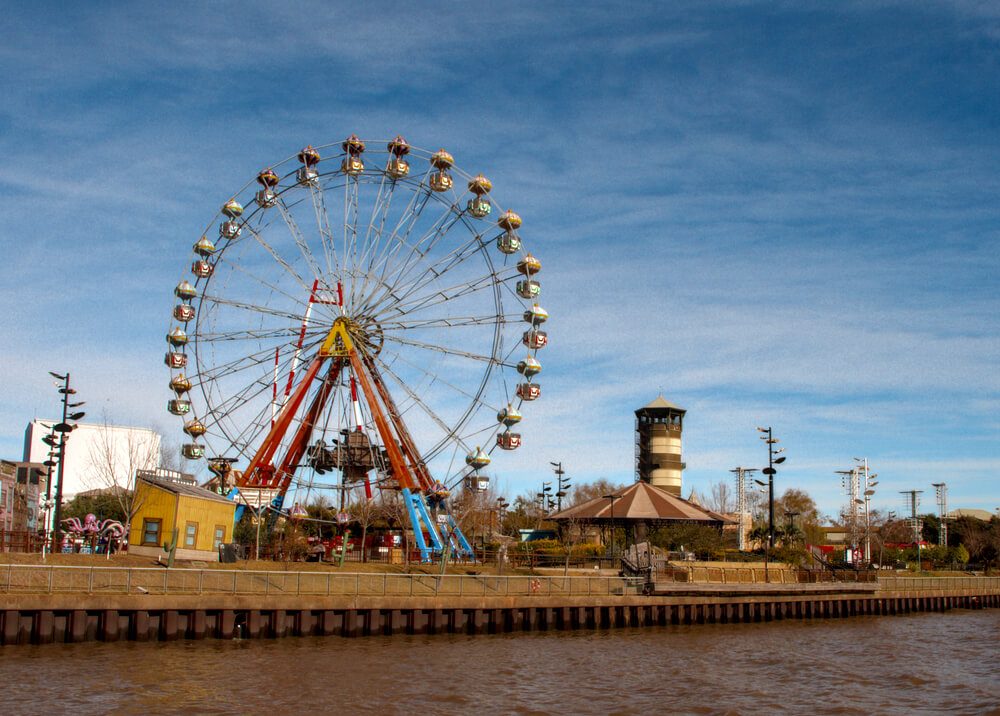
A riverside amusement park popular with families visiting the Tigre waterfront.
Historic rowing club building reflecting Tigre's early 20th-century boating culture.
A riverside vantage point along the Rio de la Plata delta channels near the station.
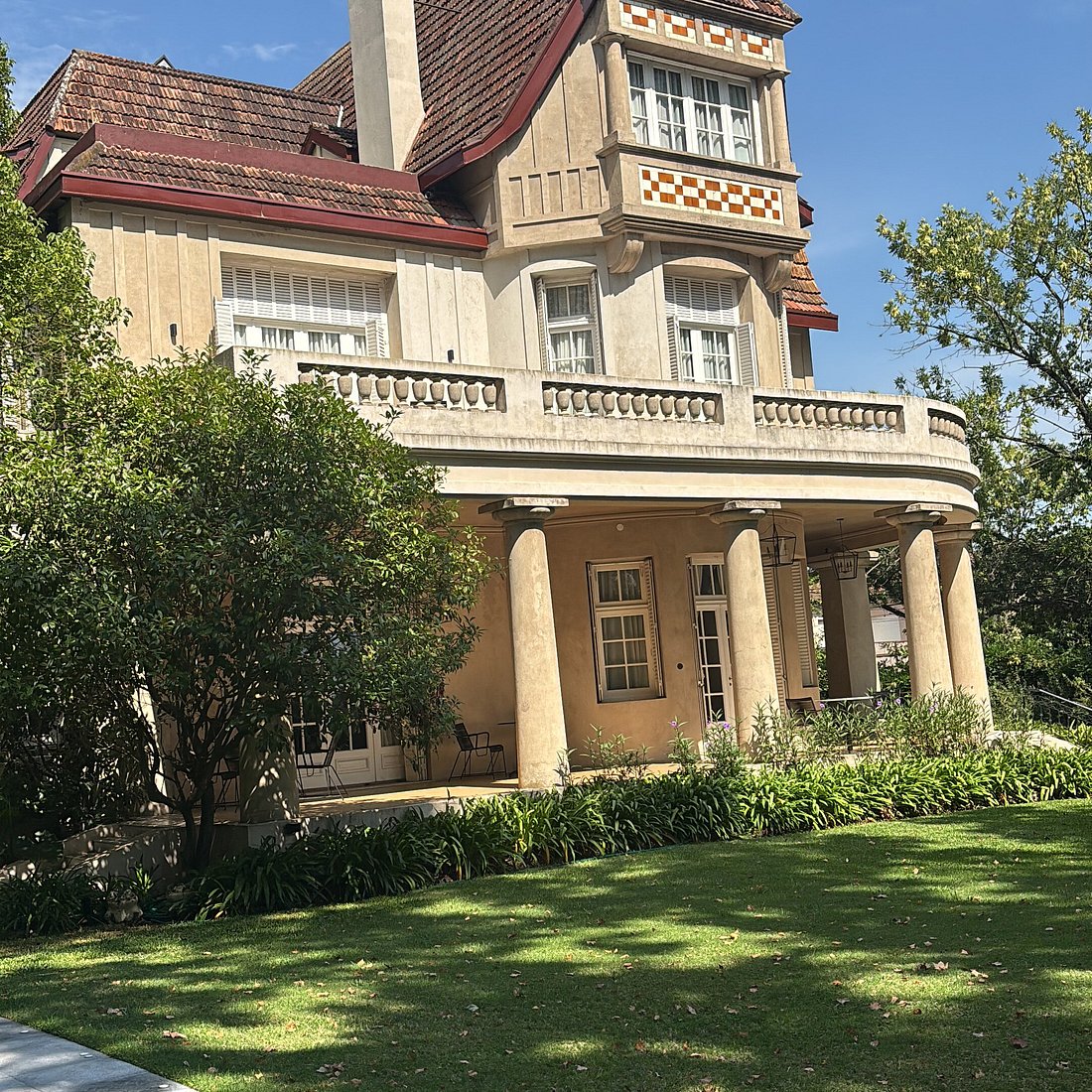
A small riverside hotel in a restored historic house near central Tigre.
The area around the Estación Fluvial has several mid-range guesthouses and short-term rentals.
Most visitors base themselves in Buenos Aires and visit Tigre as a day trip via train.
Join thousands of happy travelers who have discovered this incredible experience
Book Your Experience Now