5 hr 30 min
Tigre Delta Half-Day Adventure with River Cruise
- Entry ticket
- Mobile voucher
- Valid same day
- Free cancellation
Tigre Delta Tour — Navigate Argentina's Riverside Labyrinth
Winding channels through island enclaves, where the river defines the rhythm of life.
Compare fares, pick the fit — all bookings are mobile-voucher and eligible for free cancellation where shown.
5 hr 30 min
5 hr
5 hr
Choosing the right tigre delta tour starts with picking a boat circuit that matches your schedule: a short regular ride, a full-day hop-off pass, or a private launch.
| Regular Circuit (Fixed Route) |
Top pick Full-Day Pass (Hop-On Hop-Off) |
Private Circuit (Charter Launch) | |
|---|---|---|---|
| Route coverage | Río Luján main loop | Río Luján plus interior arroyos | Custom route by request |
| Hop-on hop-off allowed | — | — | |
| Group size | Shared, up to 100 passengers | Shared, up to 100 passengers | Private, 2–10 passengers |
| Typical duration | 60–75 minutes | Full day, board anytime | 2–4 hours, set departure |
| Guide included | Recorded narration | Recorded narration | Live guide on request |
| Best for | Quick first look at the delta | Exploring islands and disembarking | Flexible pace, small groups |
| See tickets & prices |
Worth it for nature lovers and delta explorers
A tigre delta tour delivers solid value when you factor in what free park entry cannot provide: navigating the intricate waterways, accessing remote island communities, and understanding the delta ecosystem. Standard group boat tours cost 8,000–12,000 ARS (roughly $8–12 USD equivalent in 2026), running 1–1.5 hours along the Paraná tributaries. Premium catamaran excursions with onboard lunch push 25,000–35,000 ARS, while private launches start around 60,000 ARS for groups. Day-trippers seeking a quick escape from Buenos Aires get their money's worth with standard tours — you see stilt houses, riverside quintas, and lush vegetation inaccessible by foot. Families benefit from the compact duration and included commentary. Couples considering premium tigre delta tour tickets should weigh whether the meal and extended route justify double the cost; the core delta scenery repeats after the first hour. If you plan to explore independently via kayak or visit specific restaurants by water taxi, skip the group circuit and allocate that budget to experiences deeper in the islands.
Bottom line: Standard tigre delta tour tours offer the best value for first-time visitors wanting efficient delta access without the premium markup.
Hand-picked experiences loved by thousands of travelers
1 hour
Free Cancellation
Glide through five interconnected rivers discovering island communities and wildlife reserves
5 hours
Free Cancellation
Journey north from Buenos Aires to explore island waterways, local markets, and riverside museums
6 hours
Free Cancellation
Sail from Buenos Aires skyscrapers to waterside villages along the Paraná Delta with free time in Tigre
9 hours
Free Cancellation
Discover Argentina's capital and cruise through the world's fifth-largest delta on this personalized 9-hour adventure
5 hours
Free Cancellation
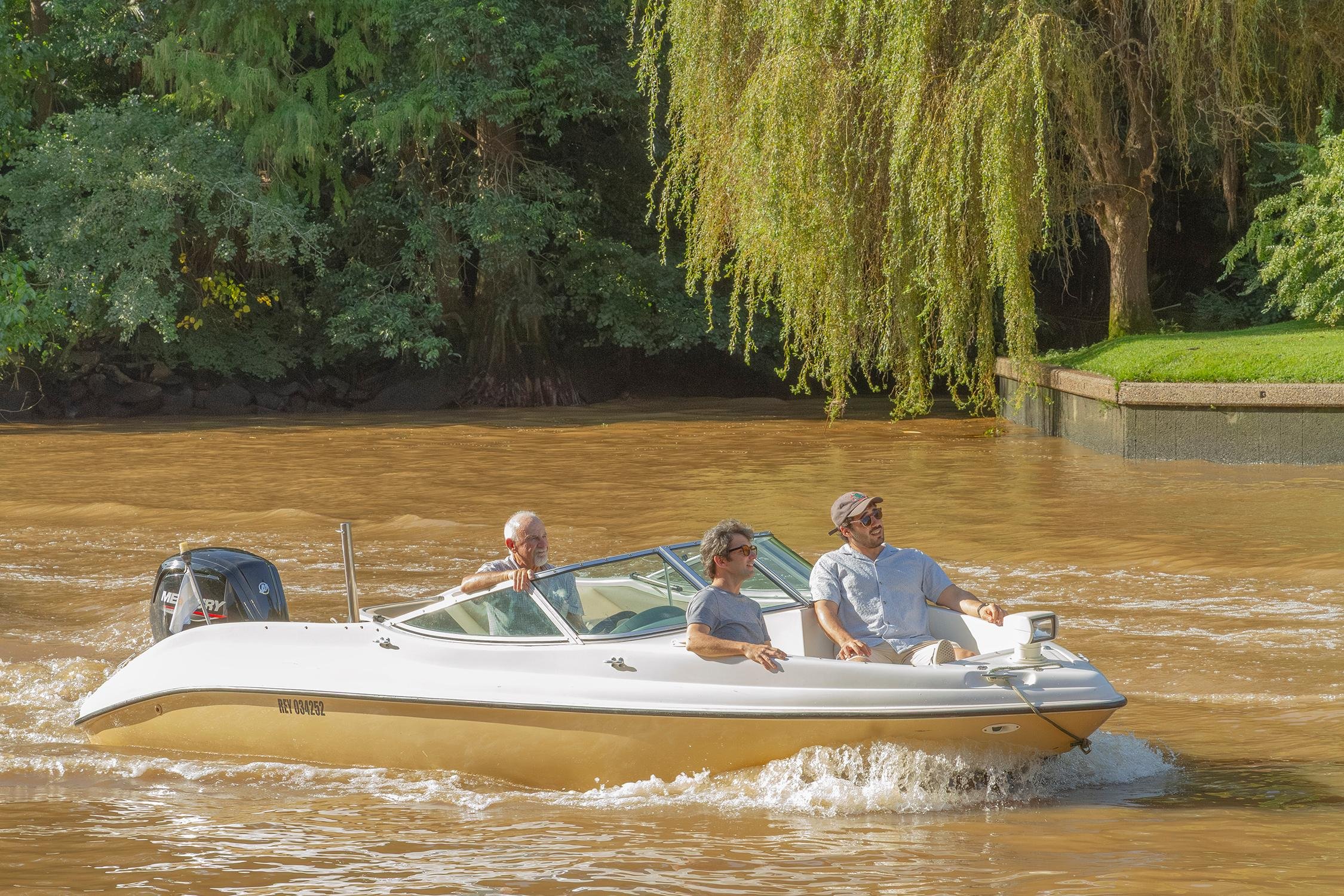
Explore hidden waterways of the Tigre Delta on an intimate speedboat journey with local expert Enrique
6 hours
Free Cancellation
Navigate waterways by boat, explore island trails, and discover wetland ecosystems in the delta
1 hour
Free Cancellation
Cruise through Argentina's magnificent river delta and witness authentic island living on this scenic waterway adventure
8 hours
Free Cancellation
Cruise the Paraná Delta, explore charming riverside markets, and ride a scenic coastal train back to Buenos Aires.
Arrive at Tigre Fluvial Station or local pier
Travel through the primary canals and streams
Visit a riverside restaurant or recreational area
Head back to the mainland terminal
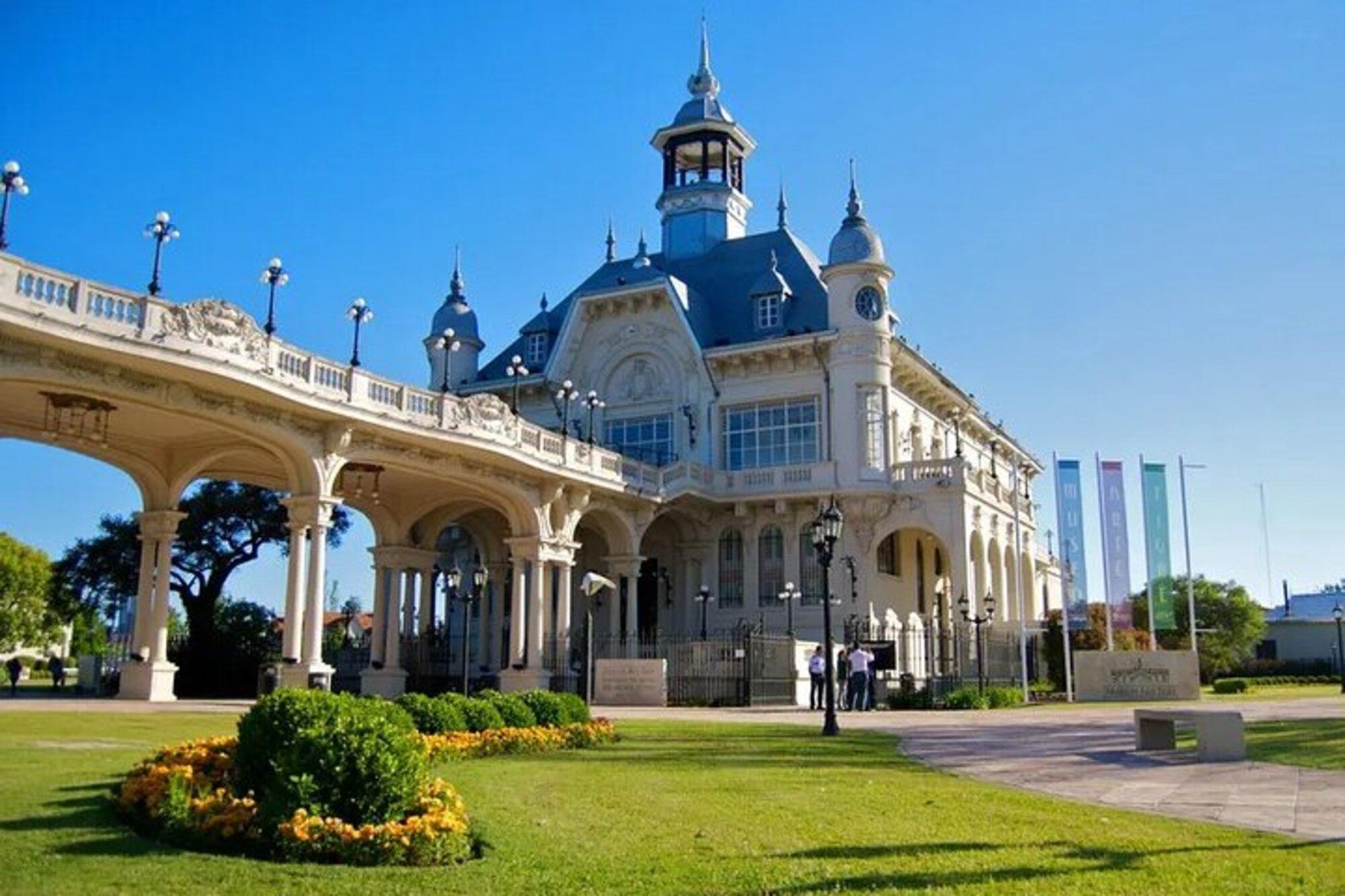
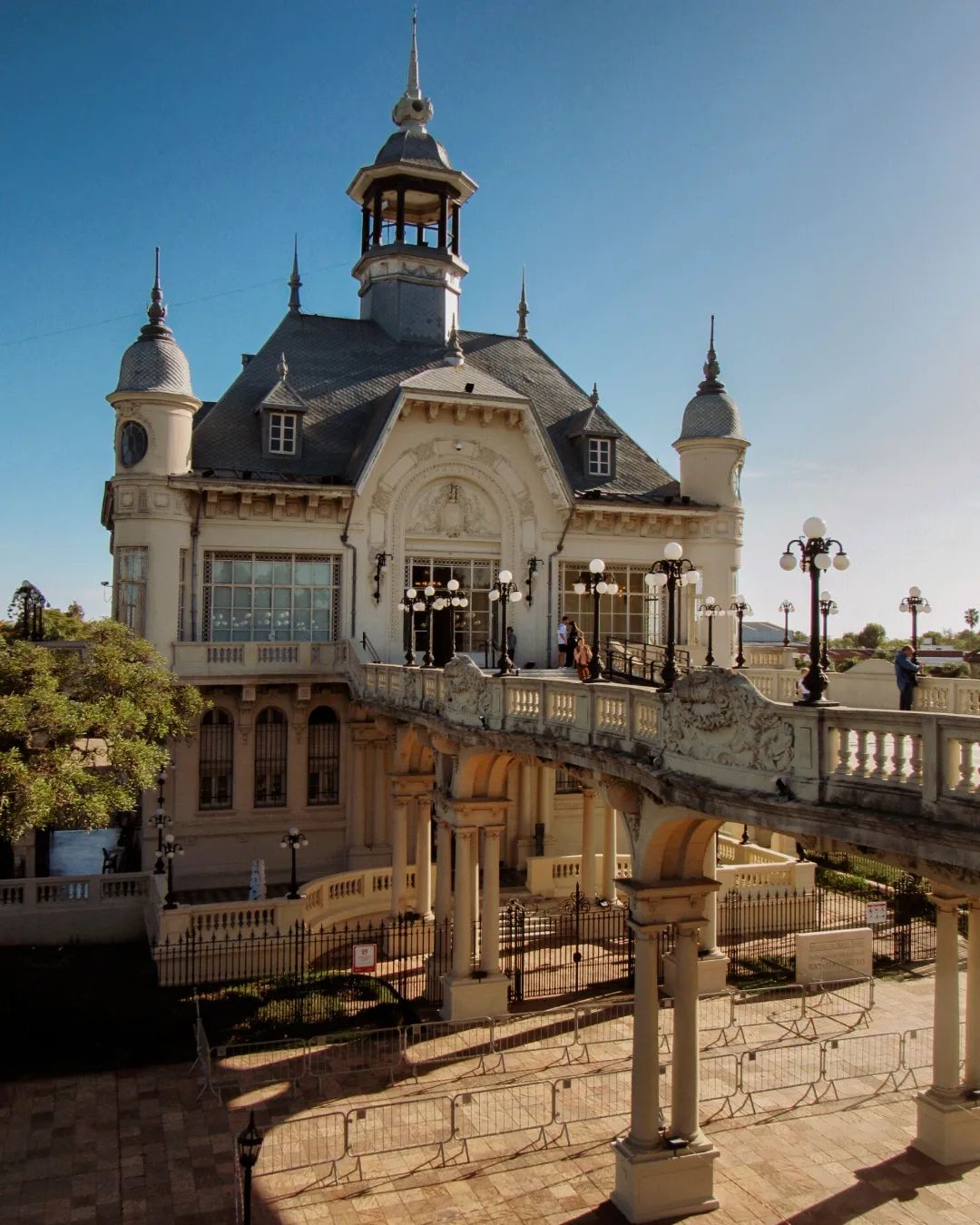
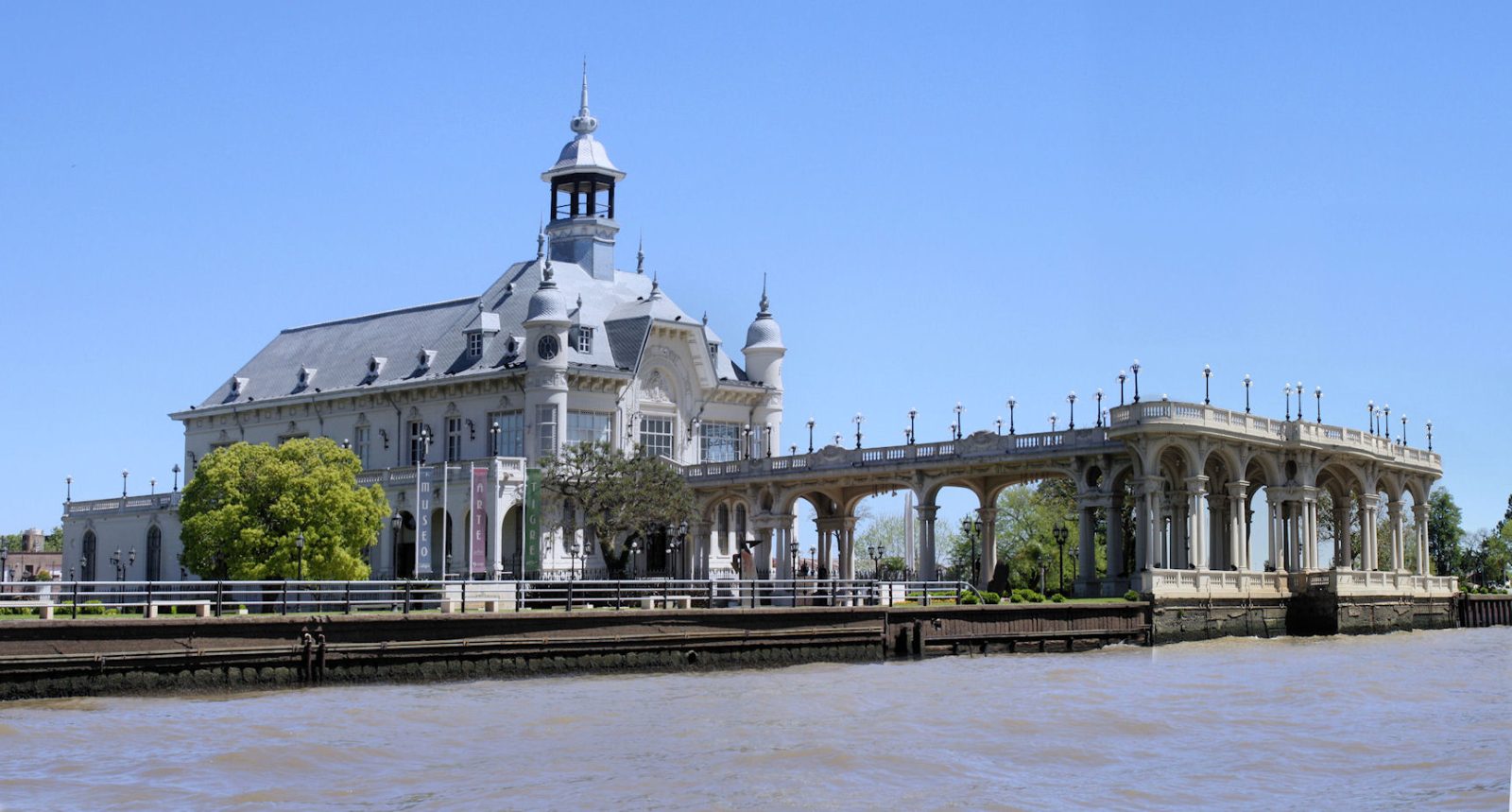
Housed in a former elite social club, this museum displays Argentine figurative art from the 19th and 20th centuries. The building itself is an architectural masterpiece of the Belle Époque era.
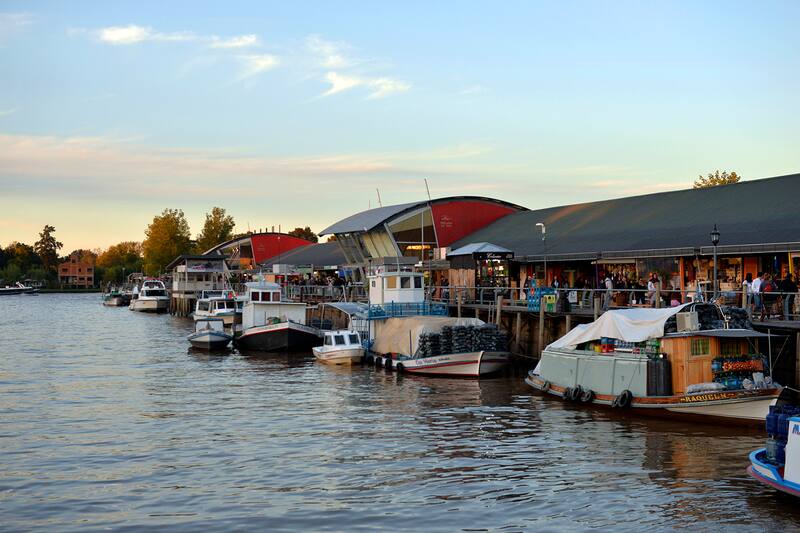
Originally a hub for fruit boats from the islands, this vibrant market now features artisanal furniture, wicker products, and local food. It is one of the most popular stops for any tigre delta tour.
A historic riverside walkway lined with old mansions and rowing clubs. It offers spectacular views of the Luján River and serves as a primary access point for a tigre delta tour.
A famous junction of three rivers that is frequently visited by smaller boats. It is an excellent spot to witness the lush, labyrinthine nature of the delta during a tigre delta tour.
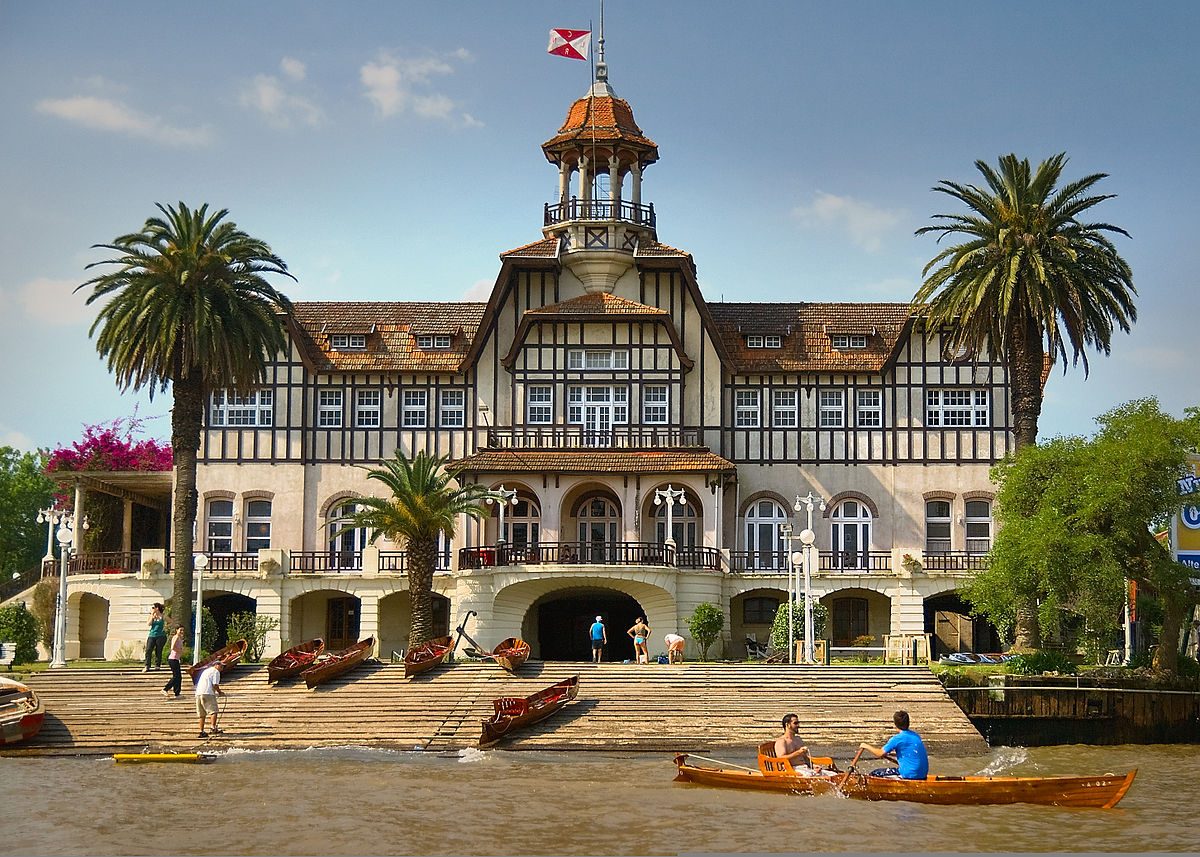
Built in 1927, this English Tudor-style building is a testament to the area's long-standing rowing tradition. It stands as a prominent landmark seen from the water during a tigre delta tour.
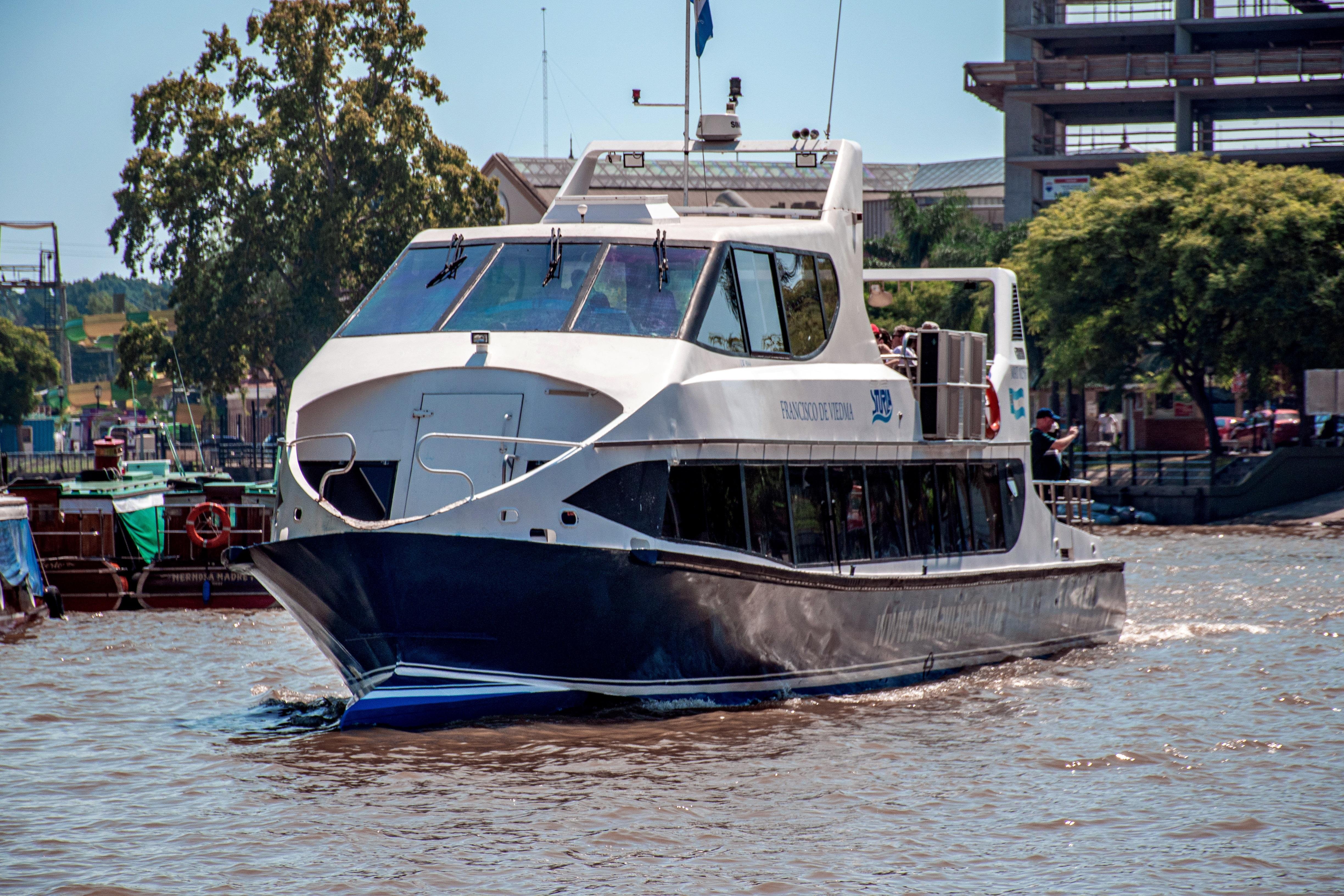
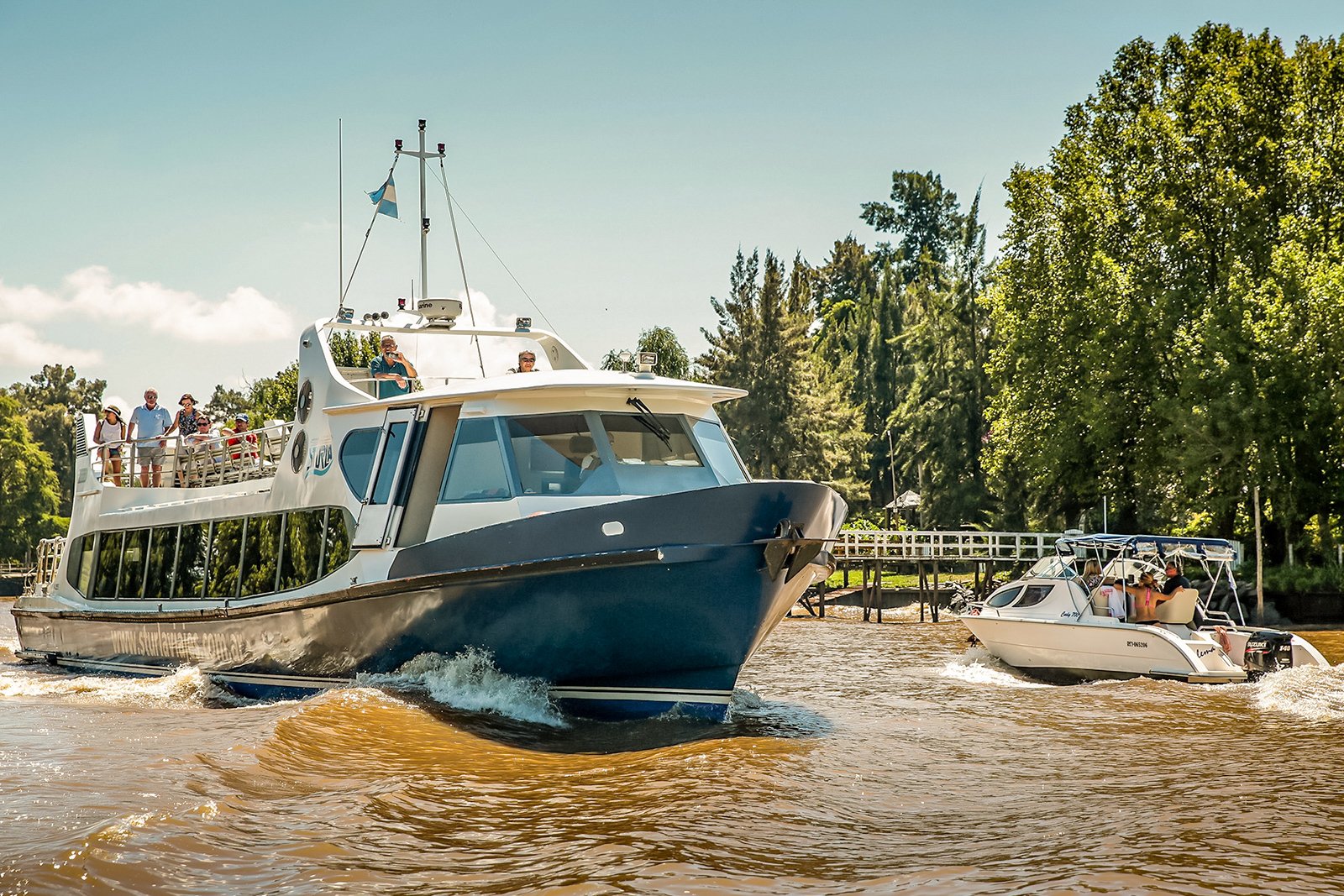
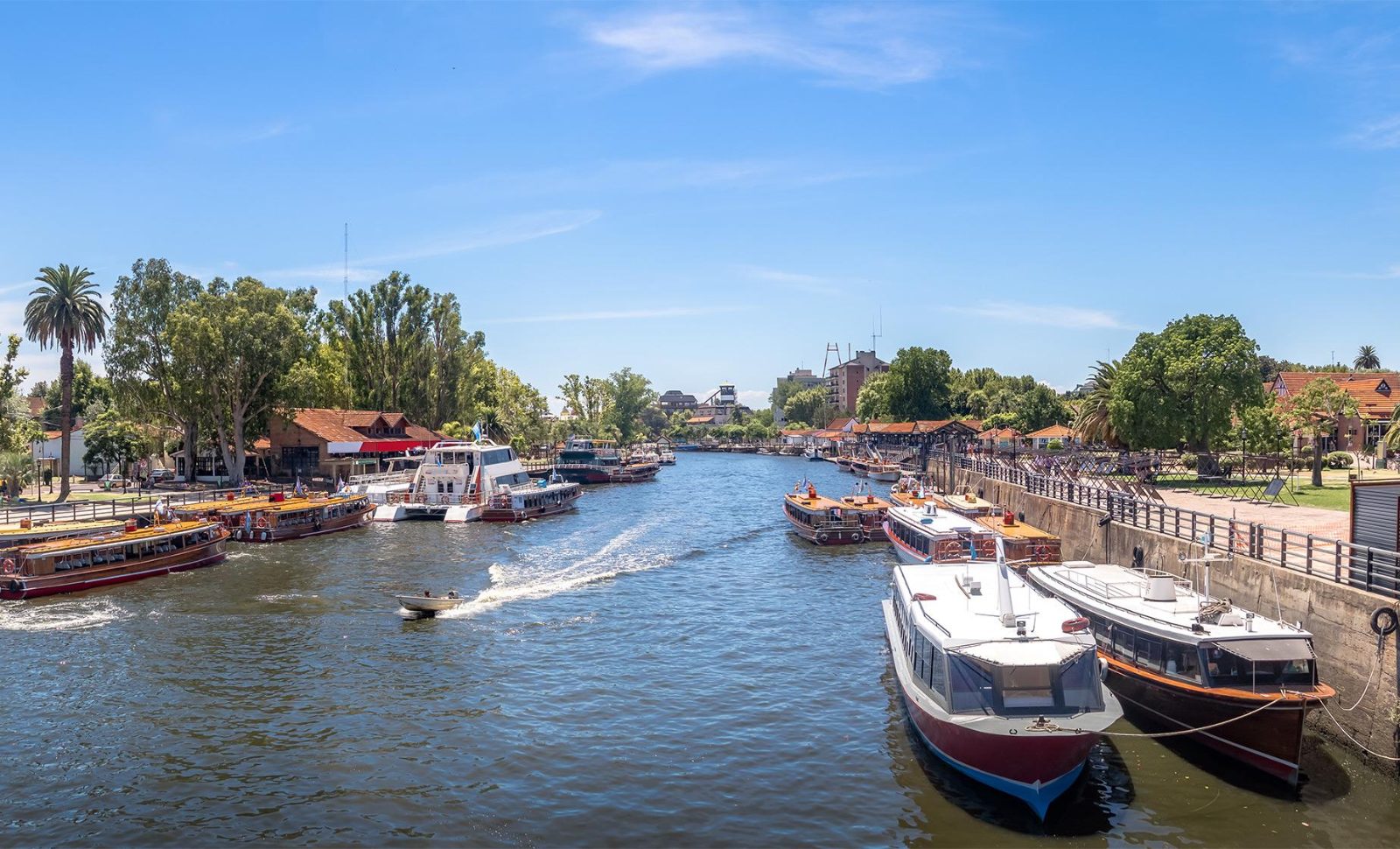
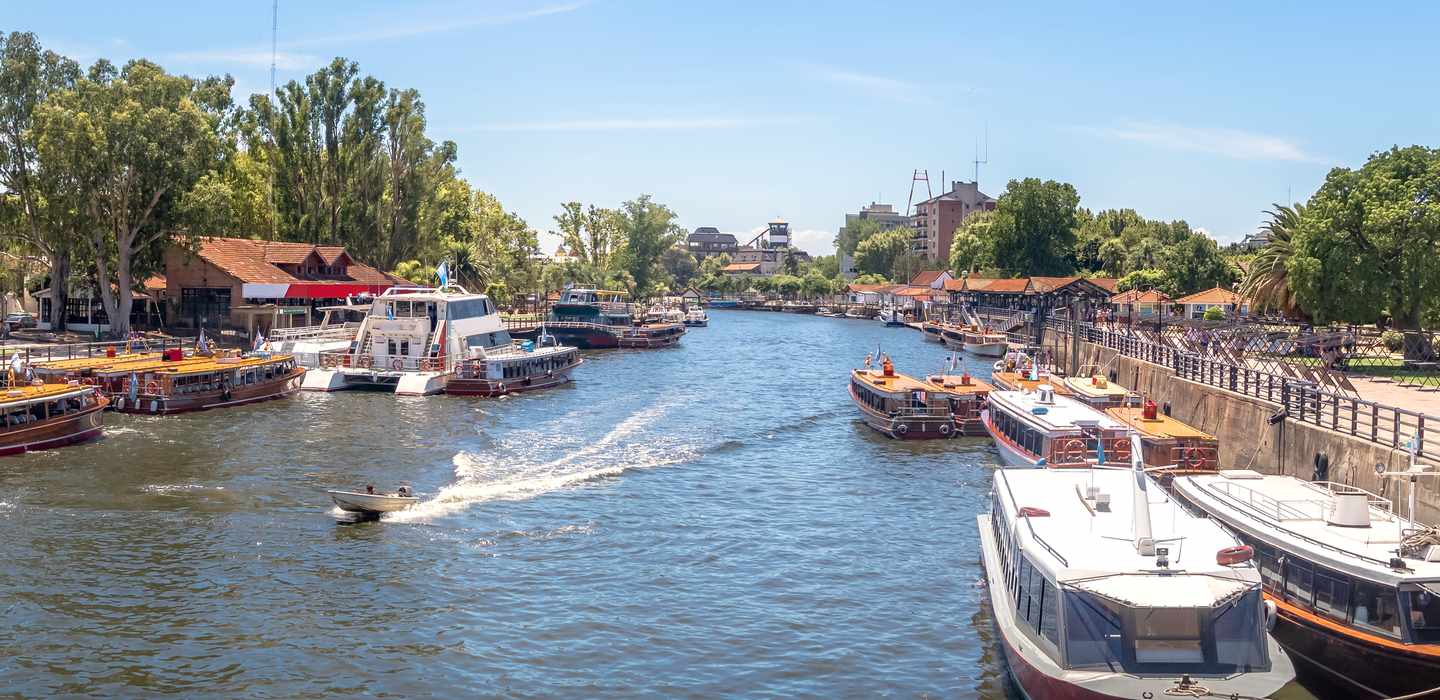
You board at the Estación Fluvial in Tigre's port district, where lanchas idle along wooden docks beneath the Delta Terra shopping complex. The boat pulls into the Río Luján, passing the Museo Naval and the stuccoed hulls of the Buenos Aires Rowing Club before entering the Sarmiento channel.
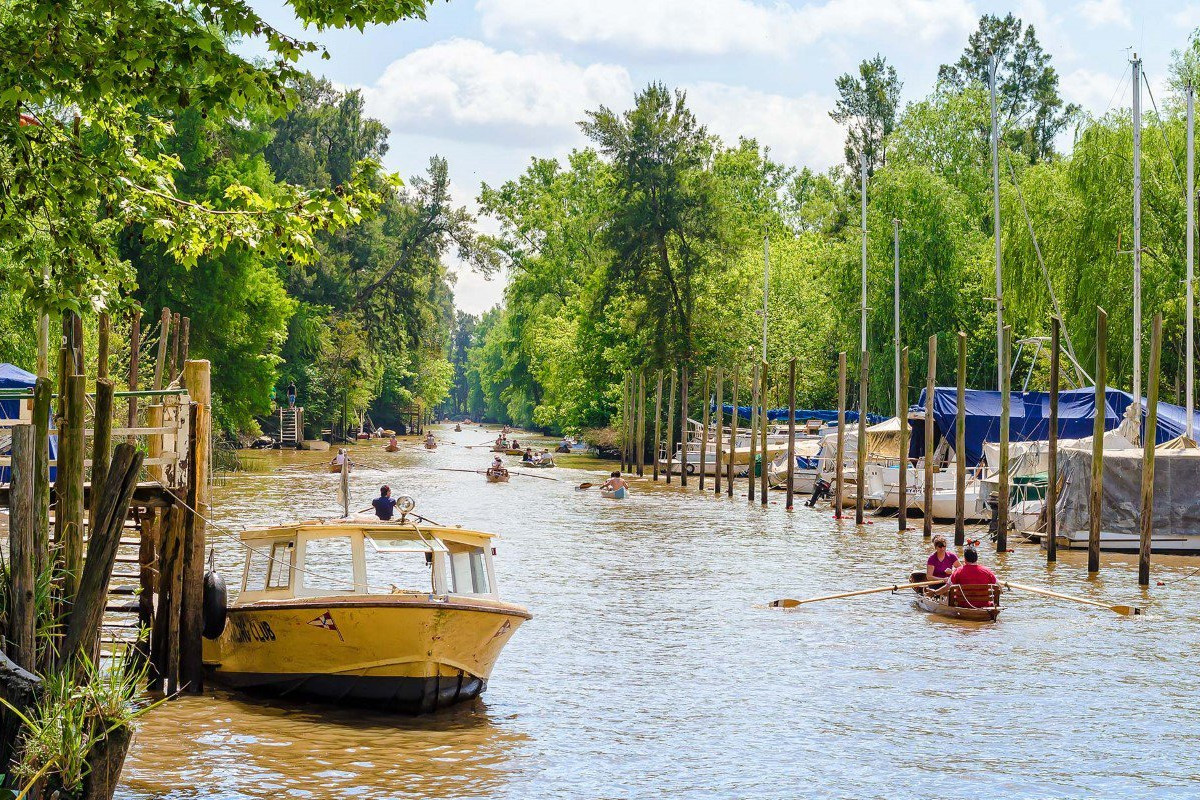
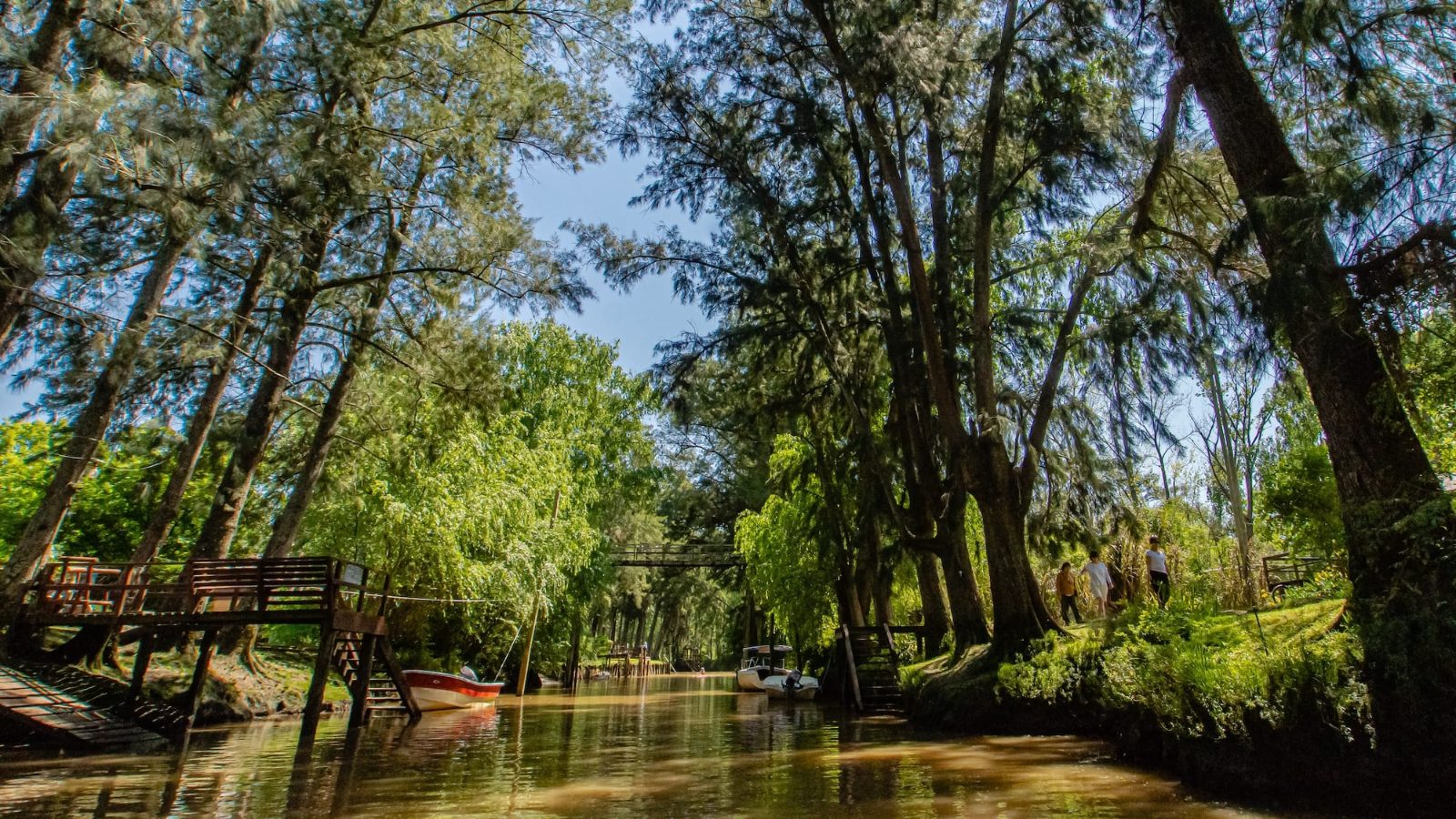
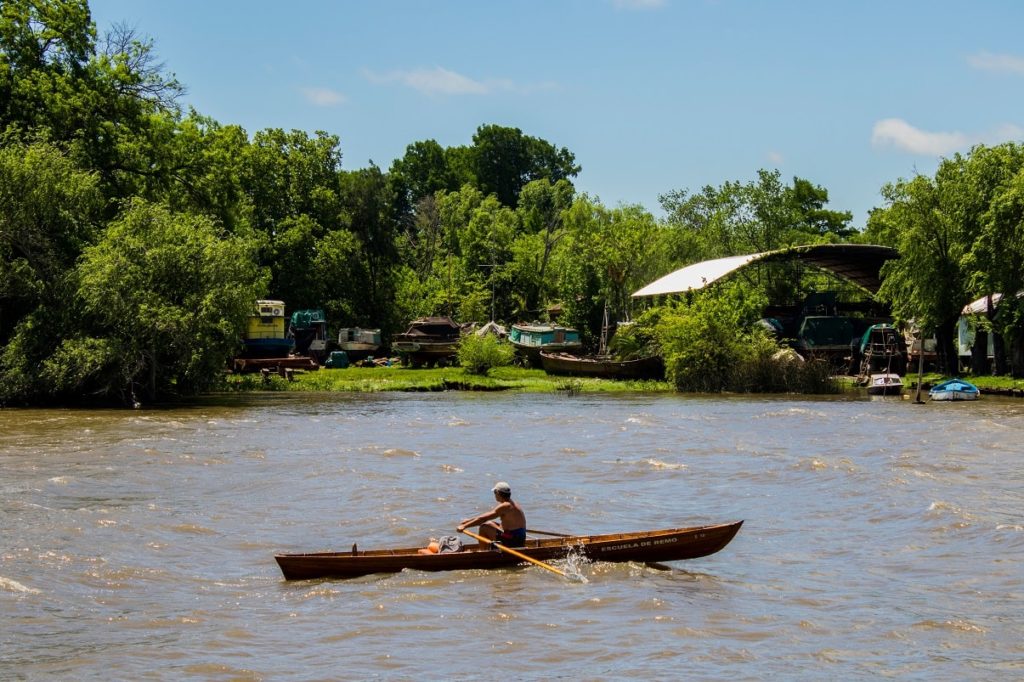
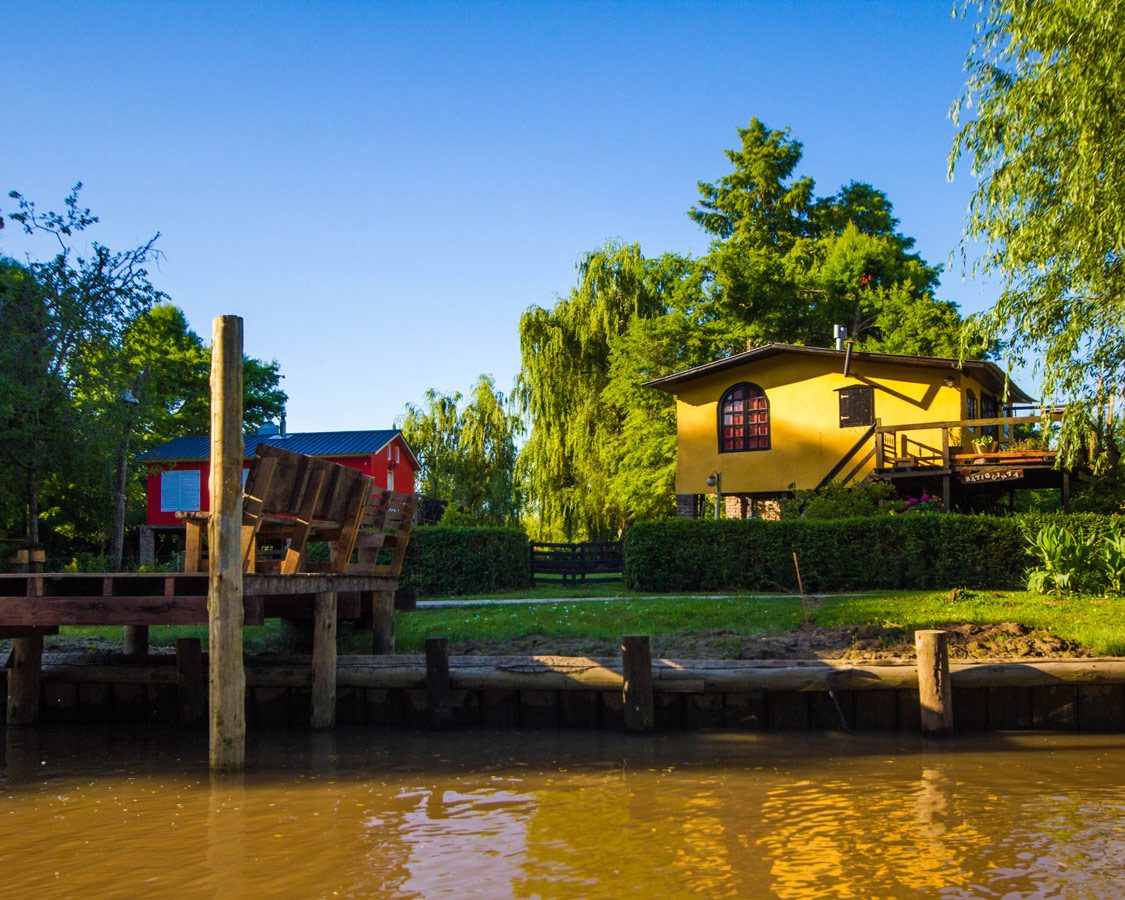
Within ten minutes, the cityscape recedes and you drift between walls of river cane and willow. Houses on stilts appear every few hundred metres, their docks cluttered with kayaks, fishing nets, and potted geraniums. You pass a floating schoolhouse, its corrugated roof painted yellow, moored to a cypress trunk.
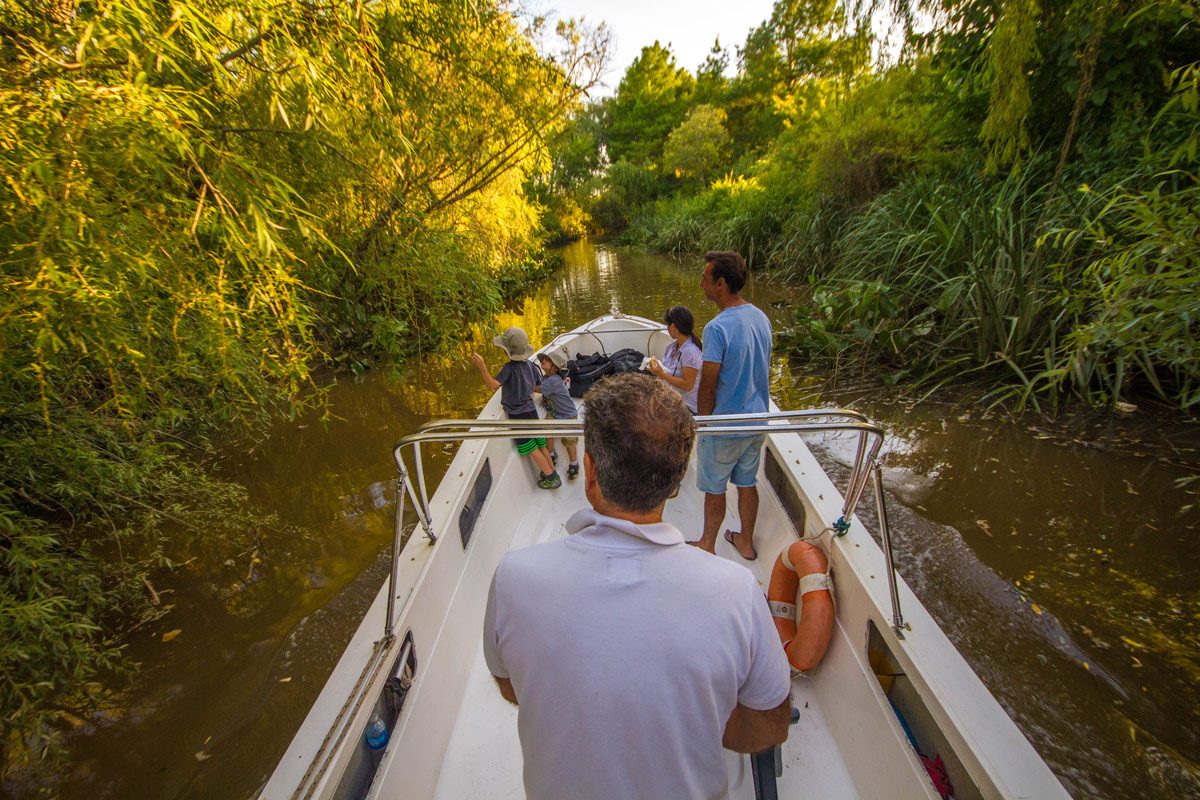
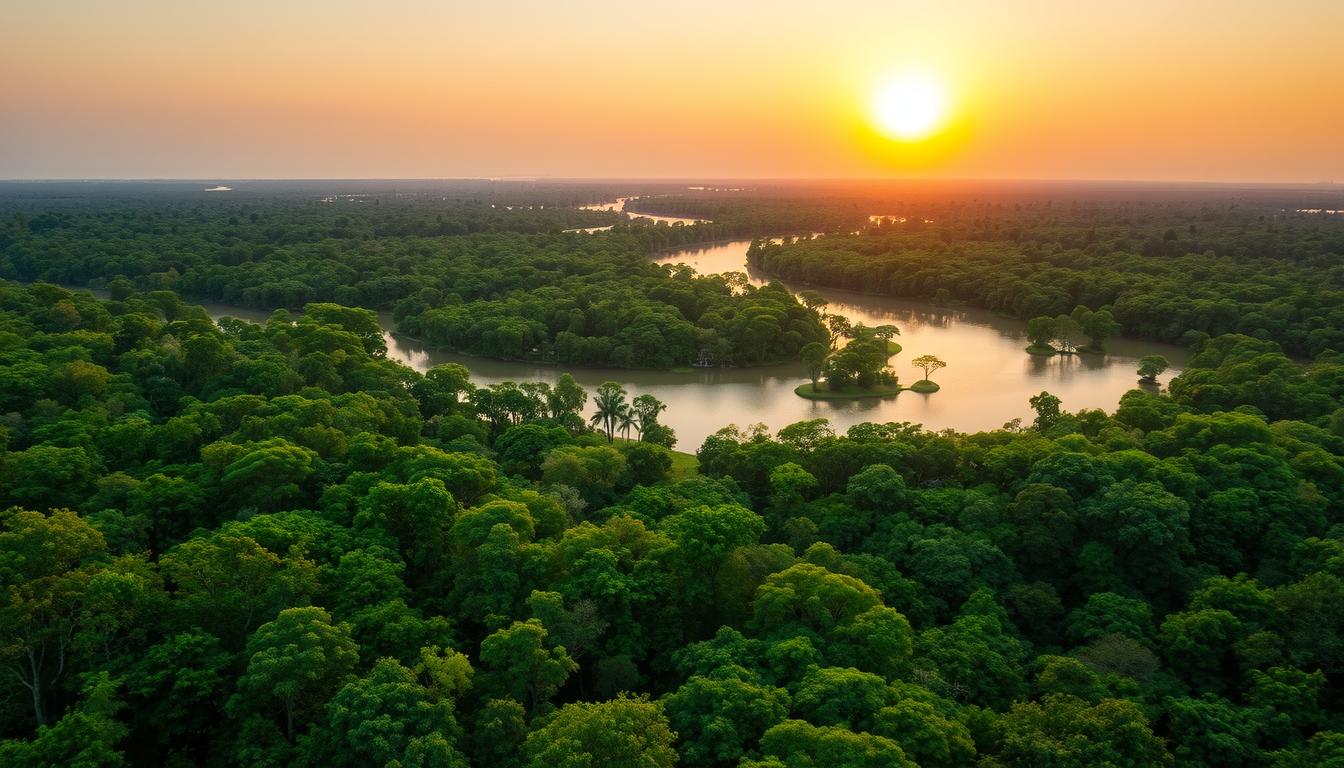
At the Tres Bocas junction, the boat swings north into the Carapachay stream. The water narrows to twenty metres, and overhanging branches scrape the upper deck. A capybara wades through reeds on your left; egrets perch on a half-submerged log. The launch slows near a riverside pulpería—a general store and café built on pylons—where passengers disembark to buy empanadas and mate gourds. You continue into the Paraná de las Palmas, the delta's main artery, where the channel widens to 400 metres. Container barges churn upriver toward Rosario, their wakes rocking smaller craft. The tigre delta trip ends at the Paraná Guazú, a forested tributary where the only sounds are outboard motors and the rhythmic slap of water against pilings.
All the details about your upcoming adventure in one place
A tigre delta tour navigates the Paraná Delta's unique river network, where island communities rely entirely on boat transport. Most tigre delta tour tours depart from Buenos Aires and include the Tigre Fruit Market, Puerto de Frutos handicraft stalls, and waterway passages through residential islands. Guides explain the delta's formation, local lifestyle, and ecosystem while traveling past rowing clubs and weekend homes accessible only by lancha colectiva.
The Tigre Delta sprawls across 14,000 square kilometres where five rivers converge into the Río de la Plata, forming the world's fifth-largest delta system. More than 1,000 islands lace the Paraná's distributary channels, and nearly 5,000 permanent residents live along waterways where roads do not exist.
Since the late nineteenth century, when British rail engineers extended the Northern Line to Tigre, the delta has served as both weekend retreat for Buenos Aires families and working landscape for fruit growers who ship their harvest by barge. The region's economic geography shifted after catastrophic floods in 1959 and 1982 forced many agricultural estates to close, yet the network of narrow channels—some barely wide enough for two launches to pass—remains an intact relic of a river-dependent society.
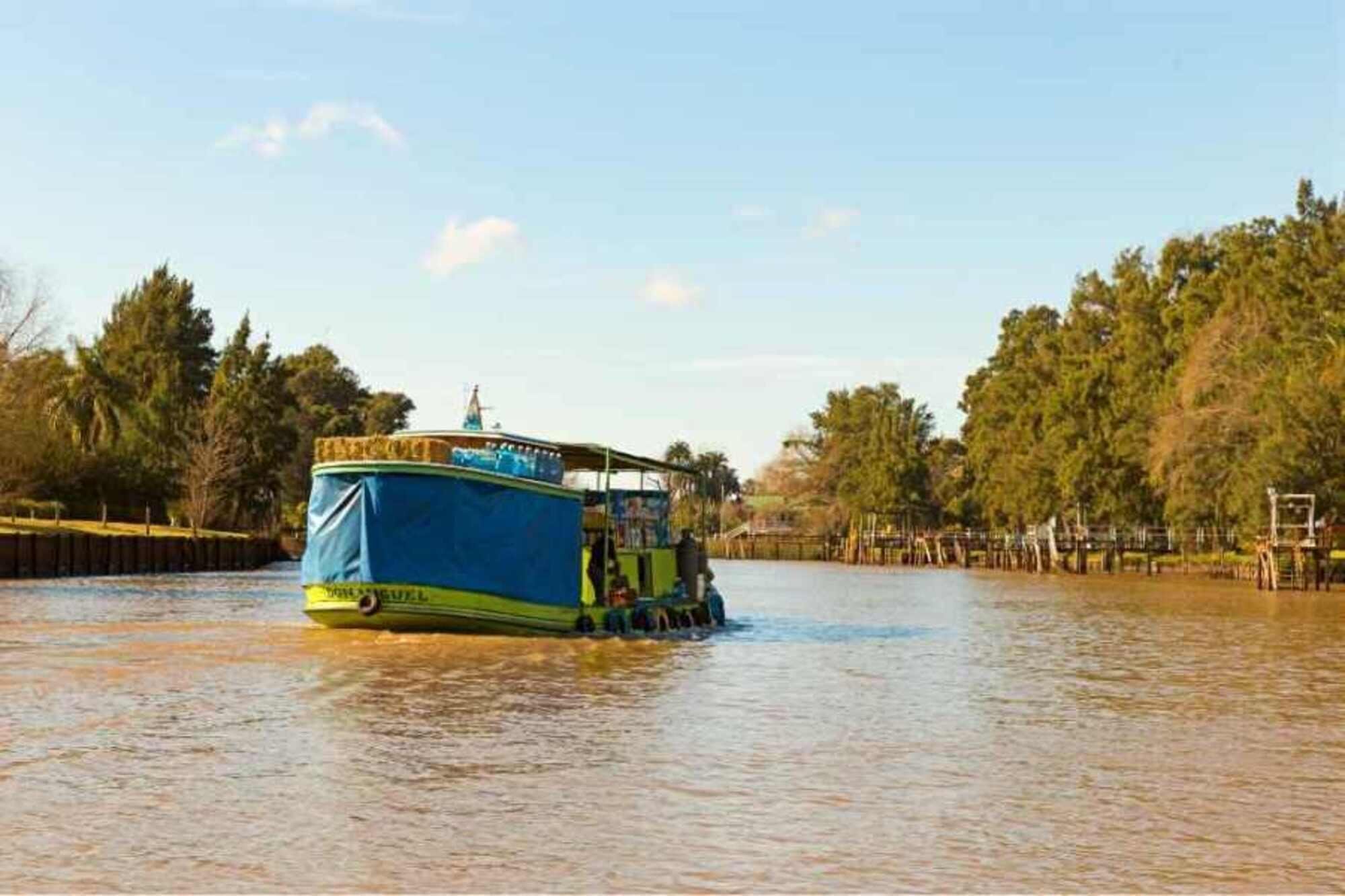
A tigre delta tour reveals layers of history encoded in architecture. Stilted quincho pavilions and Victorian-era rowing clubs line the banks of the Sarmiento and Capitán channels, remnants of Tigre's turn-of-the-century resort heyday. The Museo de Arte Tigre, housed in the 1912 Tigre Club building, anchors the town's port district, its Beaux-Arts façade overlooking the confluence where launches depart hourly. Inland, timber homes painted in faded pastels cling to raised platforms, many dating to the 1930s when European immigrants established orchards and apiaries. The delta's trademark lanchas colectivas—double-decker passenger boats introduced in the 1930s—still ferry residents between islands, their hulls scarred from decades of navigating shoals and submerged logs during the Paraná's seasonal high water.
Today, the delta supports a hybrid economy. Wicker furniture workshops occupy converted boathouses on Arroyo Espera, and organic farms on Isla Martín García supply weekend markets in San Isidro. The Tres Bocas junction, where the Luján, Carapachay, and Angostura streams diverge, remains the delta's geographic heart, a waypoint for all tigre delta boat tour routes. Most excursions follow the Sarmiento channel north to the Paraná de las Palmas, the delta's widest artery, where container traffic bound for Rosario shares the current with kayakers and sailing dinghies. Conservation groups have lobbied since 2018 to protect 2,800 hectares of wetland forest near the Paraná Guazú, habitat for capybaras, caimans, and more than 200 bird species. The delta's ecology depends on the river's pulse—annual floods deposit sediment that renews the islands' topsoil, a cycle that has sustained this amphibious landscape for 10,000 years.

More than 1,000 islands lace the Paraná's distributary channels, and nearly 5,000 permanent residents live along waterways where roads do not exist.
Casual and comfortable clothing is recommended for your tigre delta tour. Consider wearing layers and sturdy footwear suitable for embarking and disembarking at wooden piers.
Keep luggage minimal during your tigre delta tour. Security is generally informal, but you should keep personal belongings secure while navigating the delta waterways.
Photography is highly encouraged during a tigre delta tour to capture the stilt houses and lush river scenery. Respect the privacy of residents living in homes along the canals.
The Tigre Delta is a family-friendly destination with calm waterways. Children aged five and under often travel free on public ferries, though private tigre delta tour operators may have different age policies.
While many piers are functional, accessibility varies significantly across the islands. Contact your specific tigre delta tour provider in advance to discuss mobility needs.
Numerous riverside restaurants are available throughout the islands. Guests on a tigre delta tour may also bring personal snacks and water to enjoy during their journey.
Opening hours
00:00–23:59
Address
Tigre Delta, Tigre, Buenos Aires Province, Argentina
Accessibility
Accessible for most visitors, though water transit can vary
Arrival window
09:00–11:00
Official site
https://turismo.tigre.gob.ar
Public transport · 50 min · Low cost (SUBE card required)
Take the Mitre train line from Retiro Station directly to Tigre.
Car · 45-60 min · Fuel and toll costs vary
Drive via the Panamericana Highway.
Cancellation policies for a tigre delta tour depend on the specific operator. Most independent boat trips require cancellation at least 24 to 48 hours in advance for a full refund of any fees paid beyond the 0 ARS entrance fee.
Recommended time
4-6 hours
A well-paced tigre delta tour typically requires half a day to navigate the waterways and visit the riverside market. Arriving during the best arrival window of 09:00–11:00 helps you secure tigre delta tour tickets before the afternoon influx of weekend day-trippers. Those planning to explore further into the islands or enjoy a leisurely lunch should allocate a full day for their boat excursion, while shorter visits remain feasible if you focus primarily on the main terminal area.
Crowd levels through the day
Weather · crowds · average price — dots go green to amber to red as each metric rises.
September to November offers blooming vegetation and mild temperatures perfect for a tigre delta tour.
December to February is warm, attracting many visitors to the river for swimming and weekend escapes.
March to May provides crisp air and fewer crowds, ideal for a peaceful tigre delta tour experience.
June to August is cooler but often quieter, allowing for a more serene experience on the water.
Visit during weekdays to enjoy a more tranquil tigre delta tour experience.
Mitre 305, Tigre
Main hub for ferry and tigre delta tour departures
Get directionsThe Tigre Delta began as indigenous Guaraní hunting grounds until Spanish settlers arrived in the 1580s, naming the waterways after jaguars that once prowled the marshes. By the 1850s, European immigrants planted fruit orchards on the islands, shipping peaches and wicker downstream to Buenos Aires on wooden flatboats. The delta remained a working landscape until 1873, when the Buenos Aires Rowing Club opened its first riverside clubhouse, drawing wealthy porteños who rowed upriver every weekend. Within two decades, rowing clubs lined the Luján and Sarmiento channels, transforming subsistence islands into weekend estates where the elite built Victorian summer homes on stilts. The 1930s brought the delta's first commercial passenger launches, ferrying middle-class families to newly opened restaurants and dance halls on Tres Bocas island. Flood control levees constructed between 1958 and 1965 stabilized water levels enough for permanent island schools and clinics, though the 1959 flood still destroyed forty percent of island homes. The military dictatorship years saw delta population decline as young islanders fled conscription, leaving abandoned fruit cooperatives to decay. Democracy's return in 1983 sparked a tourism revival when the municipality began promoting tigre delta tour tickets as day trips from the capital. Today's boat tourism economy emerged after the 2001 economic crisis, when unemployed Buenos Aires residents launched informal water taxi services using refurbished fishing boats. The 2010 opening of Puerto de Frutos market and the 2015 construction of the modern Estación Fluvial dock formalized tigre delta tours into the scheduled launches and kayak rentals visitors book now. River channels that once carried orchard harvests now move twelve thousand weekly tourists past restored rowing-club facades and island bed-and-breakfasts, though fewer than eight hundred full-time island residents remain to witness the traffic.
Spanish settlers name waterways after jaguars hunting the marshland.
European immigrants establish fruit orchards and wicker plantations on delta islands.
Buenos Aires Rowing Club opens first riverside clubhouse, launching elite weekend tourism.
Commercial passenger launches begin daily service to island restaurants and dance halls.
Flood control levees stabilize water levels, enabling permanent island settlement.
Democratic government promotes delta day trips, reviving tourism after dictatorship decline.
Puerto de Frutos market and Estación Fluvial dock formalize modern boat tour infrastructure.
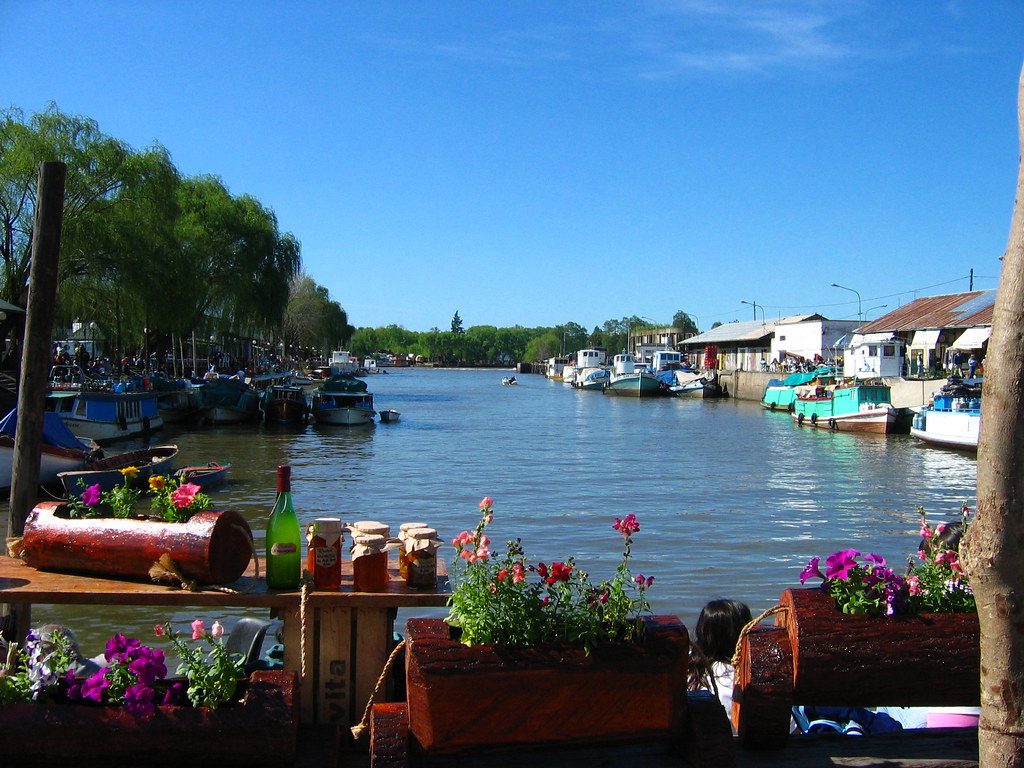
Stand at the end of the wooden pier for a straight-on shot of the riverside market stalls and the moored boats bobbing along the Rio Lujan. The colorful facades behind the pier make a strong backdrop for a wide shot. A tigre delta tour usually docks here, giving a few free minutes to shoot before boarding again.
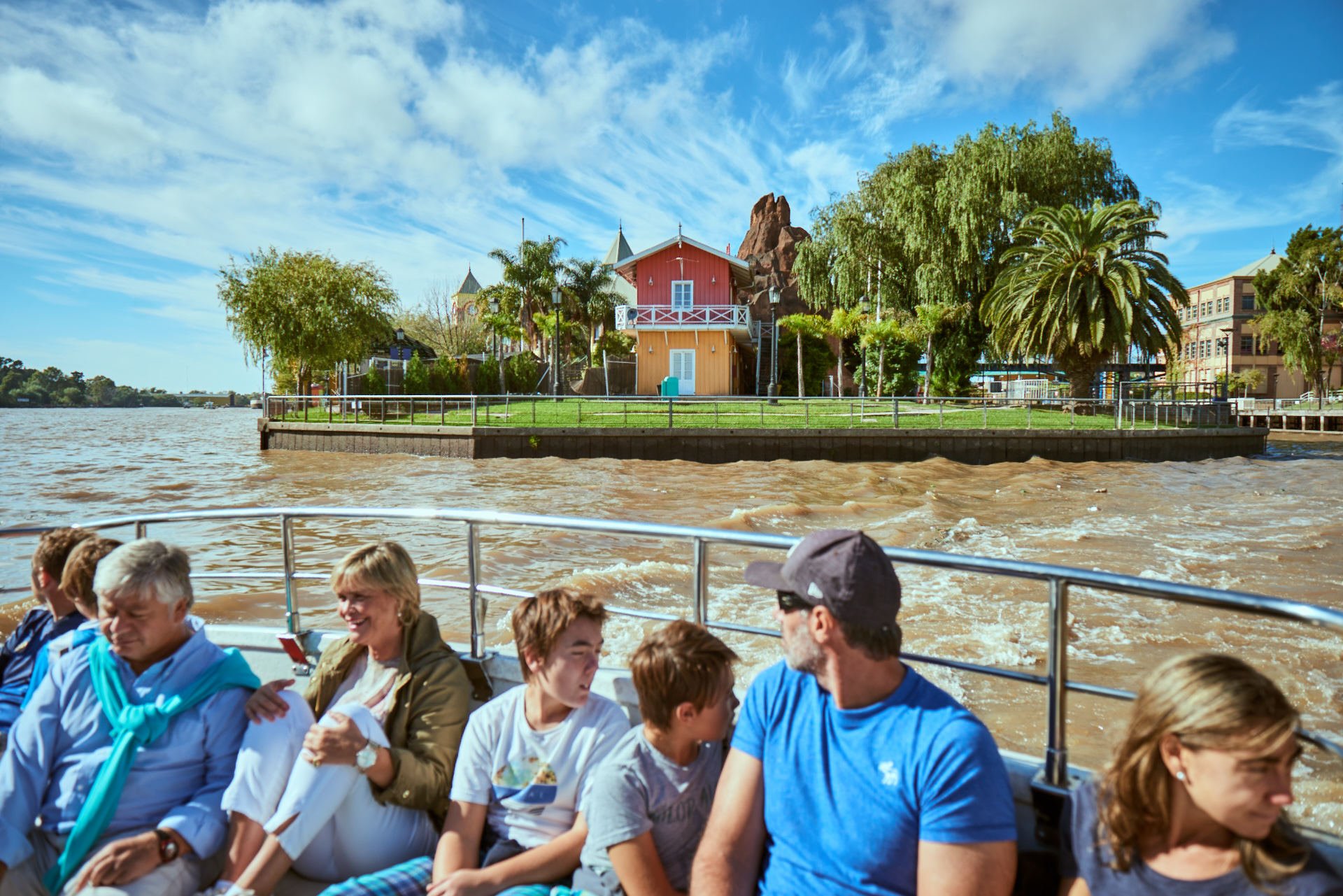
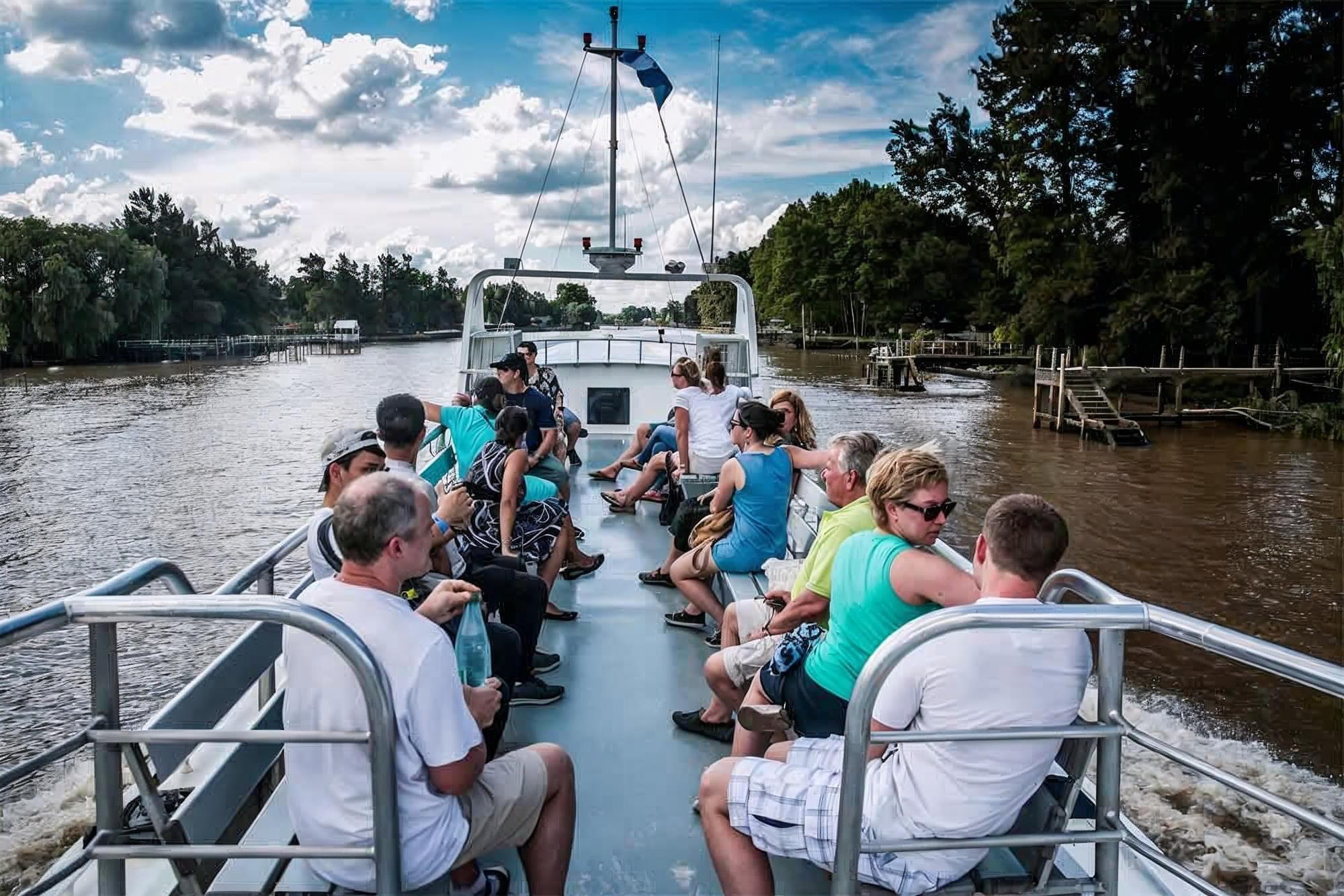
From the boat deck, aim across the water at the row of weekend houses raised on stilts, with wooden decks and small private launches tied up out front. Best captured slowly passing by, camera braced against the rail to counter the boat's motion.
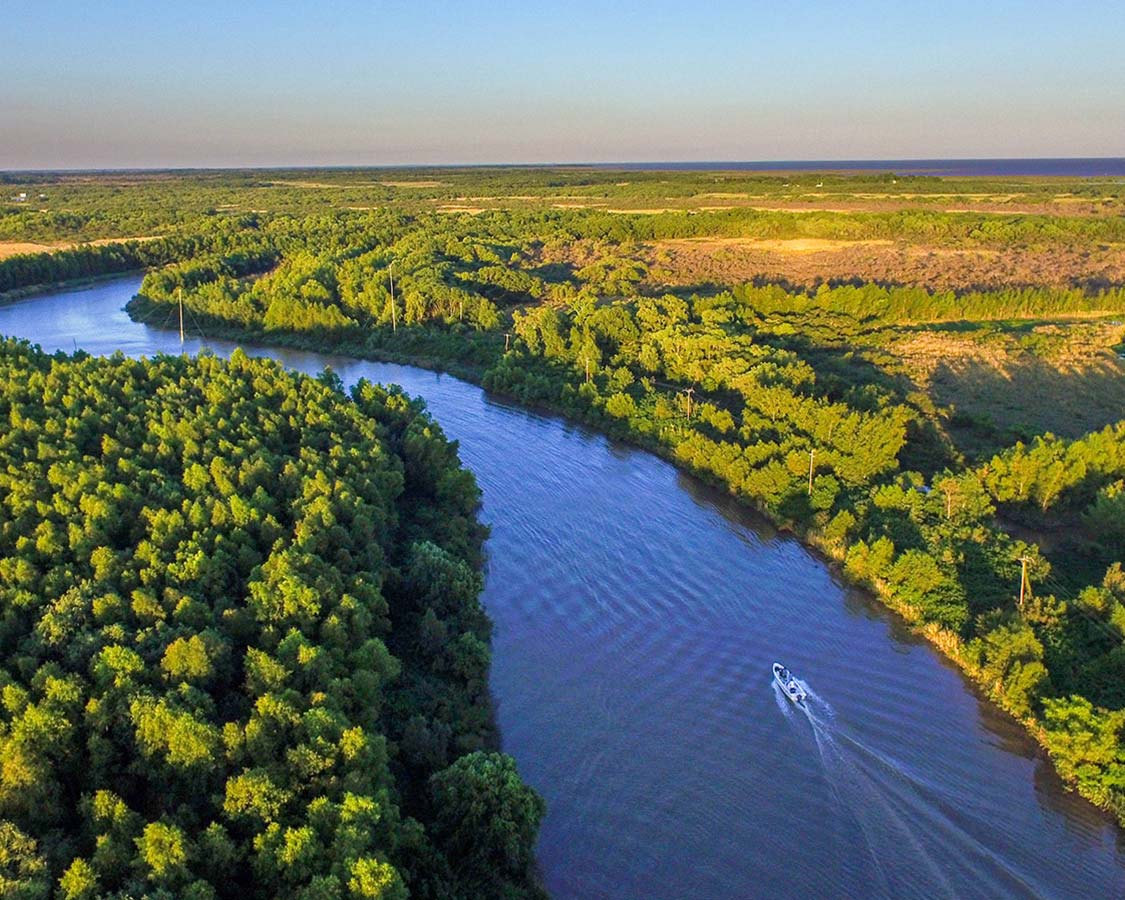
This wide river bend opens up into a long, uninterrupted water view lined with willows and reed banks. Shoot from the bow or open-air deck as the boat rounds the curve for a layered composition of water, trees, and sky.
A three-way meeting point of channels near the delta's inner waterways, popular for capturing crossing boat traffic and reflections. Best shot from a slow-moving boat or a dock stop if the route includes one.
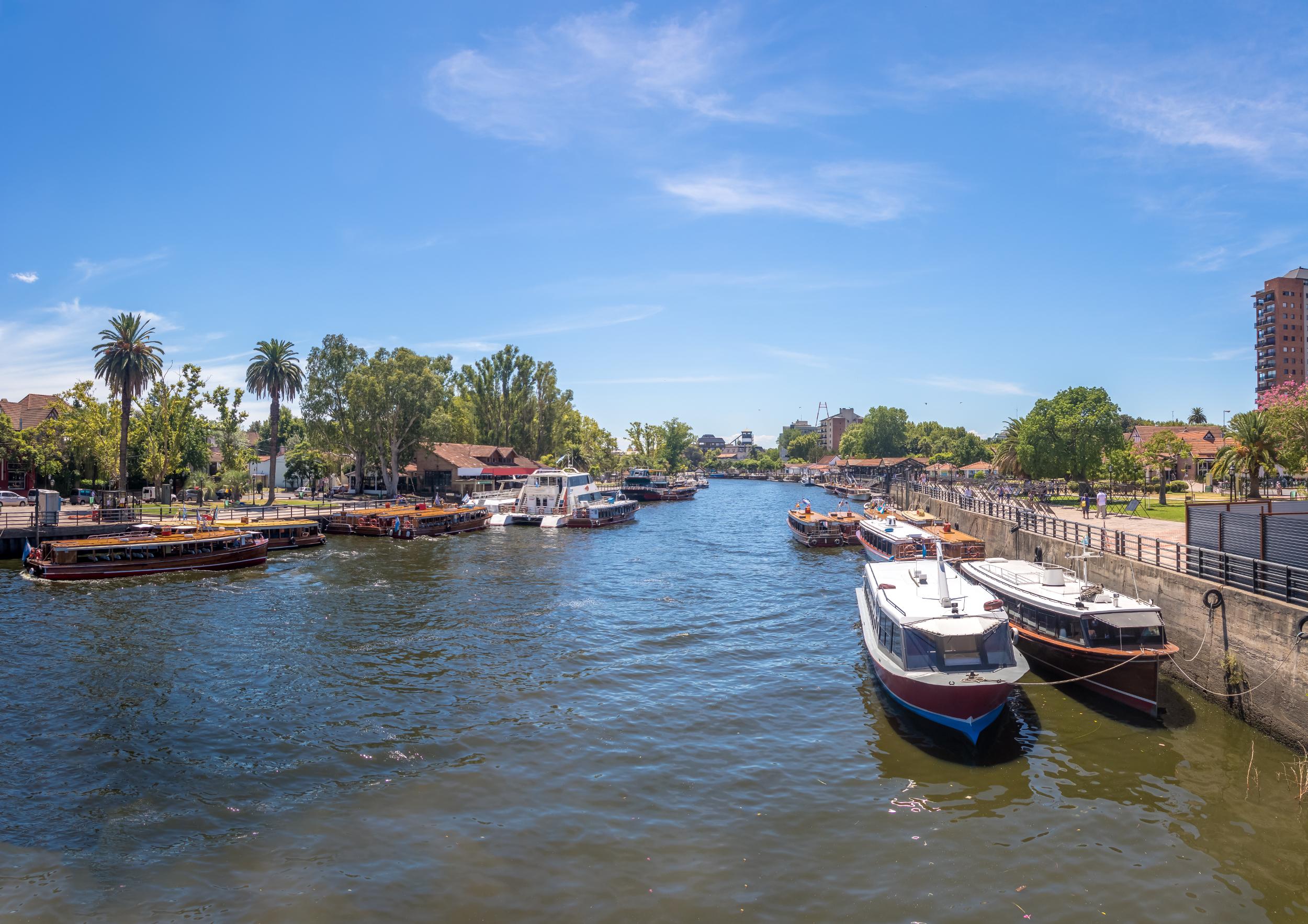
The departure terminal offers a clean view back toward Tigre's waterfront skyline and passenger boats lined up at the docks. Stand near the boarding ramps for a shot that frames both the fleet and the town behind it.
Dining options are concentrated near the riverfront and Puerto de Frutos, making it easy to grab a meal before starting your tigre delta tour. Whether you prefer a quick bite or a sit-down experience, these riverside venues provide convenient access to local boat excursions.
Located right by the river, this historic spot serves classic Argentine fish dishes and parrillada. It is ideal for a relaxed meal after your tigre delta tour tours concludes.
This popular venue in the market area offers hearty empanadas and river fish specialties. It is a solid choice for those waiting to purchase tigre delta tour tickets at the nearby terminals.
Offering panoramic views of the Luján River, this restaurant features refined regional cuisine perfect for a long lunch. It provides a sophisticated atmosphere before heading out on your tigre delta tour tour.
Real experiences from real travelers
We booked a morning departure and spent three hours navigating the narrow channels. The guide explained how families live year-round on these islands. Water was calm, weather cooperated, and we saw several rowing clubs along the way.
Our tigre delta tour included stops at a fruit market and local café on one of the islands. The wooden boat was comfortable and the captain navigated expertly through the quieter tributaries. Worth the train ride from Buenos Aires.
The Paraná Delta is much larger than I expected. We passed dozens of weekend houses, some quite elaborate, others simple wooden structures. Our boat had about twelve passengers and the pace was leisurely. Bring sun protection.
The tour covered the main waterways and gave us a sense of how the delta network functions. Our guide spoke Spanish and English. Water traffic was light on a weekday morning. The one-hour option felt a bit short.
Launching from Tigre port, we spent the afternoon exploring tributaries lined with lush vegetation. Saw herons and other waterbirds. The guide pointed out different architectural styles of the homes built on stilts above the water.
Our tigre delta tour tickets included a stop at a riverside museum. The delta feels like a different world compared to the city. Water channels wind through dense greenery and the boat engine hum was the only sound for long stretches.
The operator provided clear meeting instructions at the Tigre station. Our boat departed on time and the captain handled the narrow passages smoothly. We covered a good distance in two hours and the commentary was informative about delta ecology.
The tributaries are maze-like and fascinating. We navigated past private docks, small marinas, and areas where the vegetation creates natural tunnels over the water. Mid-morning light was perfect for photos. A peaceful contrast to urban Buenos Aires.
Booking this delta exploration gave us access to areas you cannot reach by land. The guide shared stories about island residents and pointed out native trees. Water was smooth, boat seating was adequate, and the route showcased the delta ecosystem well.
Tigre delta tours reveal a side of Argentina most visitors miss. Our afternoon departure caught beautiful late sun filtering through the trees. The boat stopped briefly at a small island café where locals arrived by kayak and motorboat.
Everything you need to know for your journey
Entrance fee is 0 ARS, as it is a public waterway; individual tigre delta tour boat fees are extra.
You can book at the Tigre Fluvial Station or online through various local operators.
Tickets for the tigre delta tour are purchased per boat ride at the station or via the operator.
The best arrival window is 09:00–11:00 for a tigre delta tour to avoid the midday crowds.
Yes, the delta is open daily 00:00–23:59, though weekends are busier.
Yes, many parts are accessible, though you should verify specific tigre delta tour vessel requirements.
The Mitre train from Retiro station is a popular way to reach your tigre delta tour.
Yes, children are welcome on almost every tigre delta tour.
Please contact us for more information.
Open-air market known for wicker furniture and local crafts
Beautiful art museum located in a historic Belle Époque building
Picturesque riverside promenade perfect for walking and photography
Major amusement park with numerous rides and attractions
Convenient access to all transportation hubs
Unique stilt-house accommodation experiences
Elegant residential area with historic hotels
Join thousands of happy travelers who have discovered this incredible experience
Book Your Experience Now